
About
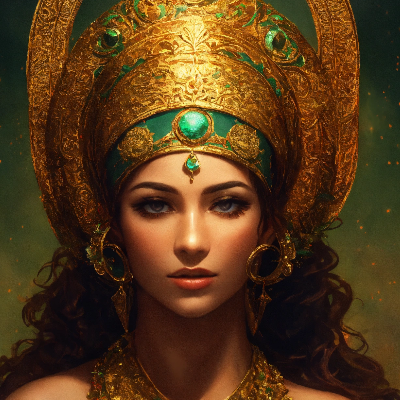
Padmini — Nagakanya, Elder Daughter of Vasuki and Shatashirsha
Padmini · Nagakanya Padmini · Mata of the Srivastava
Padmini is a Nagakanya — a divine serpent maiden — recorded in the Chitragupta Purana and the genealogical Vanshavali tradition of the Chitraguptavanshi Kayastha community as the first of twelve daughters born to Vasuki, the great Naga king, and his consort Shatashirsha. She was given in marriage to Bhanu, the eldest son of Chitragupta — the divine accountant of karma who serves in the realm of Yama, the god of death — and through this union became the founding maternal ancestress of the Srivastava clan, the largest and most widely distributed of the twelve Chitraguptavanshi Kayastha sub-clans. Her name and her marriage are preserved in community liturgical verses recited during Chitragupta Puja and in Vanshavali manuscripts maintained by the Srivastava community.
✦ The Name
Padmini is a Sanskrit feminine name derived from padma, meaning lotus. The suffix -ini forms a feminine adjectival noun, giving the meaning she who possesses the lotus or the lotus-bearing one. The lotus carries deep associations in Hindu cosmology with purity, divine grace, and auspicious origin — it rises from water or mud untouched by impurity, and serves as the seat of the goddess Lakshmi, the consort of Vishnu and the deity of prosperity and good fortune. As a name for the first and eldest of the Nagakanyas, Padmini connotes primacy, auspiciousness, and divine beauty. The name is attested widely in Sanskrit literature as an epithet of noble and beautiful women and of the goddess Lakshmi herself.
✦ Lineage
- Father: Vasuki — king of the Nagas, son of the sage Kashyapa and Kadru the mother of all Nagas, a figure of major cosmological significance who served as the churning rope during Samudra Manthan and is worn as an ornament by the god Shiva
- Mother: Shatashirsha — Naga queen, consort of Vasuki, whose name means the hundred-headed one; attested as Vasuki's wife in Kayastha community liturgical tradition rather than in the eighteen Mahapuranas
- Husband: Bhanu — the eldest son of Chitragupta, the divine scribe and accountant of karma; Bhanu is recorded in the Chitragupta Purana as the founding patriarch of the Srivastava clan
- Clan founded: Srivastava — the largest of the twelve Chitraguptavanshi Kayastha sub-clans, whose name derives from the Sanskrit shri (prosperity, the goddess Lakshmi) and vasta or vastu (dwelling, settlement), meaning approximately those who dwell with Shri or the prosperous settlers; the Srivastava clan spread widely across northern India and produced numerous figures of administrative and literary distinction in the medieval and early modern periods
✦ Significance within the Tradition
As the first among the twelve daughters and wife of the eldest son of Chitragupta, Padmini holds a position of precedence in the Kayastha genealogical tradition. Her lotus-name aligns symbolically with the auspicious and pure qualities expected of a founding maternal ancestress, and the Srivastava identity — rooted in the concept of prosperity and divine dwelling — harmonises with the Padmini name's association with Lakshmi. Within the liturgical tradition, Padmini is invoked first among the twelve Nagakanyas in the recitations of Chitragupta Puja, reflecting her status as the eldest.
✦ References
- Chitragupta Purana (Kula Purana): Principal source recording Padmini as the first daughter of Vasuki and Shatashirsha and her marriage to Bhanu, founder of the Srivastava clan.
- Chitraguptavanshi Kayastha Vanshavali records: Community genealogical manuscripts preserving the marriage correspondence between Padmini and Bhanu and the founding of the Srivastava line.
- Chitragupta Puja liturgical verses: Oral and written liturgical material in which Padmini is named first among the twelve Nagakanyas.
- Devputra Darshan (community publication): Records the daughter-name and clan-marriage correspondences including Padmini and the Srivastava identification.
- Vettam Mani, Puranic Encyclopaedia (1975): Entry on Vasuki; establishes his canonical identity and cosmological role as the broader context for Padmini's paternal lineage.