
About
Devajaba — Nagakanya, Twelfth Daughter of Vasuki and Shatashirsha
Devajaba · Kokles Suta · Nagakanya Devajaba · Mata of the Valmiki
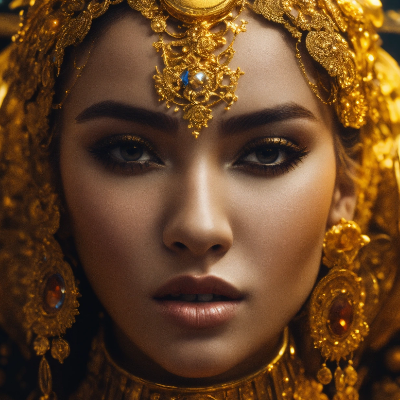
Devajaba is a Nagakanya recorded in the Chitragupta Purana and associated Vanshavali tradition as the twelfth and youngest daughter of Vasuki, the Naga king, and his consort Shatashirsha. She was given in marriage to Viryabhanu, the twelfth son of Chitragupta, and through this union became the founding maternal ancestress of the Valmiki clan of the Chitraguptavanshi Kayastha community. She is the most textually complex of the twelve daughters, appearing under two distinct names — Devajaba and Kokles Suta — in different streams of the regional Vanshavali tradition, a divergence that reflects two slightly different genealogical records that have converged within the broader community tradition.
✦ The Names
Devajaba is a Sanskrit compound formed from deva, meaning god or divine being, and jaba or java, a term that may relate to the hibiscus flower — the jaba or java pushpa — which is sacred in the Shakta tradition and particularly associated with the goddess Kali, to whom red hibiscus flowers are offered in worship. If this etymology is correct, Devajaba carries the meaning the divine hibiscus or she who is the god's hibiscus flower, associating her with sacred offering and divine beauty. An alternative reading of jaba as a variant of java meaning speed or swiftness would give the compound the meaning the swift divine one or the divine speed. The name is not attested in standard Sanskrit lexical or Puranic sources and its precise etymology within the community tradition is not definitively fixed.
The alternate name Kokles Suta means daughter of Kokles, with suta being the standard Sanskrit term for offspring or daughter. Kokles appears in certain regional Vanshavali charts as a name for either Vasuki himself — as a regional or phonetically evolved form of his name — or as a specific Naga patriarch within the Vasuki lineage from whom this daughter descends in certain genealogical reckonings. The two traditions — Devajaba as daughter of Vasuki and Shatashirsha directly, and Kokles Suta as daughter of a figure named Kokles — represent two slightly different regional Vanshavali streams. No primary Sanskrit text resolves this variant, and the discrepancy remains internal to the community genealogical tradition.
✦ Lineage
- Father: Vasuki — king of the Nagas, son of Kashyapa and Kadru, cosmic churning rope of Samudra Manthan and serpent ornament of Shiva; identified as Kokles in certain alternate Vanshavali streams
- Mother: Shatashirsha — Naga queen and consort of Vasuki, attested in Kayastha community tradition
- Husband: Viryabhanu — twelfth son of Chitragupta, recorded as founding patriarch of the Valmiki clan; his name combines virya, meaning vigour, heroic power, or potency, with bhanu, meaning the sun or radiance, giving the meaning the sun of heroic power or the radiant and vigorous one
- Clan founded: Valmiki — a Chitraguptavanshi Kayastha sub-clan whose name is shared with the celebrated sage Valmiki, the author of the Ramayana and one of the foremost figures of the Sanskrit literary tradition; within the Kayastha genealogical tradition the clan traces its identity to this founding marriage rather than to the sage directly, though the shared name carries associations of literary and spiritual distinction
✦ Textual Variants
Devajaba is the name given in the primary stream of the Chitragupta Purana and the majority of Vanshavali records. The name Kokles Suta appears in certain regional community manuscripts, particularly those associated with specific geographic clusters of the Valmiki clan tradition, where the father is recorded as Kokles rather than Vasuki. Whether Kokles is a regional variant of Vasuki's name, a separate Naga patriarch, or a scribal or phonetic evolution within the manuscript tradition cannot be determined from the available evidence. Both names refer to the same figure in terms of her genealogical role — the twelfth Nagakanya, wife of Viryabhanu, founding mother of the Valmiki clan — and the variant is one of name and parentage attribution rather than of the marriage or clan record itself.
✦ References
- Chitragupta Purana (Kula Purana): Records Devajaba as the twelfth daughter of Vasuki and Shatashirsha and her marriage to Viryabhanu, founder of the Valmiki clan.
- Chitraguptavanshi Kayastha Vanshavali records: Preserves both the Devajaba and Kokles Suta variant traditions; the primary source for the divergence between the two name streams.
- Chitragupta Puja liturgical verses: Names Devajaba among the twelve Nagakanyas in community ritual recitation.
- Vedpradip.com, community article on Kayastha genealogy: Records the Kokles Suta variant and its geographic distribution within the Valmiki clan tradition.
- Devputra Darshan (community publication): Records the Devajaba and Valmiki clan correspondence and notes the alternate Kokles Suta tradition.