
About
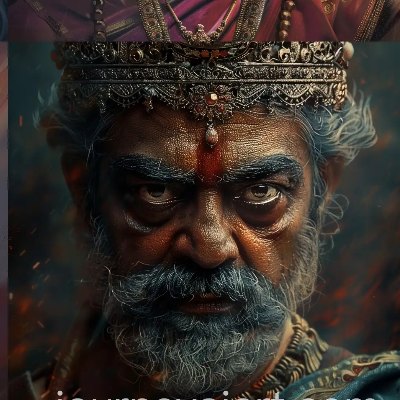
Mahabhoja — Son of Satvata, Progenitor of the Bhoja Kings
Mahabhoja · Mahabhaga (variant reading in some manuscripts)
Mahabhoja was a son of King Satvata, a Yadava ruler of the Kroshtu branch of the lunar dynasty. He is described in the Bhagavata Purana as an exceedingly religious king, and both the Bhagavata Purana and the Vishnu Purana identify him as the progenitor of the Bhoja clan of Yadavas, whose members ruled from the city of Mrittikavati and came to be known as the Marttikavatas. The Bhoja dynasty, descended from Mahabhoja, is mentioned among the allied Yadava clans who assisted Krishna in his activities. Mahabhoja is attested in the Bhagavata Purana (Canto 9, Chapter 24), the Vishnu Purana (Book IV, Chapter XIII), the Brahmanda Purana (III.71), and the Vayu Purana, with a note in the Wisdomlib Puranic Index that also identifies a Mahabhoja in a separate episode involving the Syamantaka gem. The Saurapurana (a tenth-century Upapurana) places him in the lineage of Kroshtu rather than as a son of Satvata, representing an isolated variant.
✦ The Name
The name Mahabhoja is a Sanskrit compound composed of maha, meaning great or mighty, and bhoja, a word carrying several related senses: enjoyment, that which is enjoyed, food eaten as a gift or in hospitality, and by extension a ruler who distributes bounty. The compound therefore carries the sense of a great enjoyer or great giver of bounty — a name resonant with the generous and pious qualities the Puranas ascribe to this king. The word bhoja became the name of his dynasty: all his descendants were called Bhojas. The Vishnu Purana footnote notes that the name is sometimes read Mahabhaga in certain manuscripts, a close variant meaning great in fortune or great in share.
✦ Lineage
- Descent: Mahabhoja belonged to the Yadava lineage through Kroshtu, second son of Yadu, son of Yayati of the lunar Chandravamsha, descending through the Satvata branch.
- Father: Satvata, the Yadava king whose seven sons — Bhajamana, Bhaji, Divya, Vrishni, Devavridha, Andhaka, and Mahabhoja — founded the principal Satvata clans. Mahabhoja was the seventh son in the Bhagavata Purana's enumeration.
- Descendants: His descendants were collectively known as the Bhojas, rulers of Mrittikavati, also called the Marttikavatas after their city. The Bhagavata Purana (9.24.11) states plainly that in the dynasty of Mahabhoja, who was exceedingly religious, there appeared the Bhoja kings. The Bhoja clan of the Mahabharata period — allied with Krishna and the Vrishnis in the defence of Dvaraka and in the battles of the Kurukshetra war — traced their lineage through this founding figure.
✦ Character and Significance
The Bhagavata Purana describes Mahabhoja as a religious king — the Sanskrit phrase used in the text (9.24.11) characterises him as exceedingly devoted to righteousness. The Vishnu Purana similarly describes him as a pious prince. Both texts use his religiosity as the appropriate foundation for the Bhoja dynasty, which in later periods remained among the Yadava clans associated with the Vrishnis in the Mahabharata period. The Bhagavata Purana (9.24.63) lists the descendants of Bhoja among those who, along with Vrishni, Andhaka, Madhu, Shurasena, Dasharha, Kuru, Srinjaya, and Pandu, assisted Krishna in his activities. The Wisdomlib Bhoja entry records that the Bhojas defended Dvaraka, praised Krishna's heroic deeds, and that Kamsa, the tyrannical king of Mathura, planned vainly to vanquish them.
✦ The City of Mrittikavati
Both the Vishnu Purana and the Bhagavata Purana identify Mrittikavati — sometimes given as Mrittikavara Pura in other Puranic texts — as the capital of Mahabhoja's descendants. The Vishnu Purana (footnote to IV.13) notes that the Brahmanda Purana locates Mrittikavati by the Parnasha river in Malwa. The Bhojas were known as Marttikavatas from the name of this city, a gentile designation used to distinguish this particular sub-clan of the Yadavas from other groups also bearing the Bhoja name in different regional and textual traditions. The Wikipedia Martikavati article notes that Martikavati also appears as the capital of the Salwa kingdom in the Mahabharata, and that the son of Kritavarma, a Bhoja-Yadava hero, was established in Martikavata by Yudhishthira after the war — suggesting a continuity of Bhoja association with that city into the Mahabharata period.
✦ Textual Variants and Inconsistencies
The Bhoja attribution conflict: As noted in the Devavridha profile above, the Vishnu Purana attributes the Bhojas of Mrittikavati to Mahabhoja (son of Satvata), while the Harivamsha attributes the same Marttikavata Bhojas to Babhru (son of Devavridha, grandson of Satvata). These are incompatible traditions within the primary sources, and the Wikipedia Yadava article confirms both exist in the Puranic corpus. The Bhagavata Purana (9.24.11) is aligned with the Vishnu Purana in attributing the Bhoja dynasty to Mahabhoja directly.
The Syamantaka episode: The Wisdomlib Mahabhoja entry, citing the Brahmanda Purana (III.71.17–71), records that a Mahabhoja is identified as a Maharatha who killed Satrajit and gave the Syamantaka gem to Akrura. In the main narrative of the Vishnu Purana (IV.13 onwards) and Bhagavata Purana, the killing of Satrajit and the dispersal of the Syamantaka gem are episodes associated with the Bhoja clan at Dvaraka, occurring generations after Mahabhoja the son of Satvata. This suggests either that the name Mahabhoja was applied to a later Bhoja king in the Brahmanda Purana context, or that a different figure of the same name is recorded in that Purana. No clear resolution of this discrepancy is provided in the sources examined.
The Saurapurana variant: The Saurapurana places Mahabhoja among the notable descendants of Kroshtu generally, rather than specifying him as a son of Satvata. This is consistent with the Saurapurana's broader tendency to compress the intervening generations in its genealogical lists.
✦ Connection to the Wider Genealogy
Mahabhoja and his Bhoja descendants formed one of the five principal Satvata clans. Through the Bhoja clan, the lineage of Mahabhoja remained a recognised political and military force within the Yadava world of the Mahabharata period. Kritavarma, one of the three Yadava survivors of the Kurukshetra war (along with Krishna and Satyaki), is identified in the Mahabharata as a Bhoja — though the Mahabharat Puran Kosh notes that while Kritavarma belonged to the Andhaka lineage he was also referred to as Bhoja, indicating that the Bhoja name had become a broader clan designation extending beyond the direct descendants of Mahabhoja. Through Mahabhoja's founding of the Bhoja clan, and through the Bhoja alliance with the Vrishnis and Andhakas, the wider Satvata community of Dvaraka was constituted.
✦ References
Primary Sources
- Bhagavata Purana, 9.24.7 and 9.24.11 (Vedabase; Red Zambala) — Lists Mahabhoja as seventh son of Satvata; describes him as exceedingly religious; states the Bhoja kings appeared in his dynasty; lists the Bhoja clan among those assisting Krishna (9.24.63).
- Vishnu Purana, IV.13.1 and 13.7 (Wisdomlib, Wilson translation) — Names Mahabhoja as a son of Satvata and a pious prince; identifies his descendants as the Bhojas of Mrittikavati, the Marttikavatas; footnote notes that Mahabhoja is sometimes read as Mahabhaga.
- Harivamsha Purana, Adi Parva, Chapter 37, verse 14–16 (Wisdomlib) — Identifies the Marttikavata Bhojas as descendants of Babhru (son of Devavridha) rather than of Mahabhoja, presenting a conflicting attribution.
- Brahmanda Purana, III.71.2 and 17–71 — Attests Mahabhoja as a son of Satvata; contains a reference to a Mahabhoja associated with the Syamantaka gem episode; cited in the Wisdomlib Puranic Index.
Secondary and Reference Sources
- Wisdomlib — "Mahabhoja: 8 definitions" (wisdomlib.org/definition/mahabhoja) — Compiles Puranic Index references across the Bhagavata, Brahmanda, and Vishnu Puranas; notes the Syamantaka discrepancy; gives the Saurapurana reference placing Mahabhoja in the Kroshtu lineage.
- Wisdomlib — "Bhoja: 32 definitions" (wisdomlib.org/definition/bhoja) — Traces the Bhoja clan's lineage from Mahabhoja; records the Bhoja association with Kamsa, Dvaraka, and the Mahabharata.
- Wikipedia — "Yadava" (en.wikipedia.org/wiki/Yadava) — Notes both Mahabhoja and Babhru attributions for the Bhojas; discusses the Aitareya Brahmana reference to the Bhojas as a southern people.
- Wikipedia — "Martikavati" (en.wikipedia.org/wiki/Martikavati) — Records Martikavati as the Bhoja capital; notes the Mahabharata reference to Kritavarma's son being established there by Yudhishthira.