
About
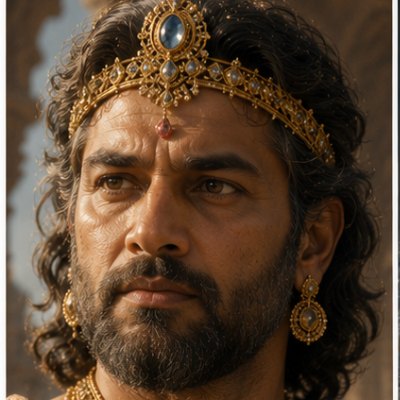
Kapotaroma — Son of Viloma, Fourth Generation of the Kukura Clan
Kapotaroma · Kapotaroman · Kapotaromaka
Kapotaroma is recorded in the Puranic genealogies of the Yadava lineage as a son of Viloma, who was himself the son of Vahni and grandson of Kukura, the founding ancestor of the Kukura branch of the Yadava confederation. Kapotaroma thus represents the fourth generation of the Kukura sub-clan within the genealogical tree of the Yadu dynasty. The Yadu dynasty belongs to the lunar line (Chandravamsha) of Indian epic and Puranic tradition, descending through Chandra, Budha, Pururavas, Ayus, Nahusha, Yayati, and Yadu, from whom all Yadava clans derive their collective identity. Kapotaroma is named in the Bhagavata Purana's ninth skanda and appears also in the Garuda Purana, though in a different generational position in that text. Further complexity arises from the Matsya Purana, which records a different son for Kapotaroma than the Bhagavata Purana does, producing two distinct lineage tracks that diverge at this figure and converge again at a later generation.
✦ The Name
Kapotaroma is a Sanskrit compound formed from kapota, meaning pigeon or dove, and roma, meaning hair, body hair, or feather. The compound may therefore be interpreted as one having the feathers or colouring of a pigeon, carrying a physical or descriptive quality rather than a martial or theological one. No narrative episode in the primary sources explains how or why this name was bestowed upon this figure, and no symbolic elaboration of the name's meaning is offered in the genealogical passages in which it appears.
✦ Lineage
- Father: Viloma — son of Vahni (also identified as Dhrista in the Garuda Purana tradition) and grandson of Kukura, the founding ancestor of the Kukura sub-clan. Viloma is the third generation of the Kukura line in the Bhagavata Purana's account.
- Paternal grandfather: Vahni — son of Kukura and second generation of the Kukura clan, identified with Dhrista in the Garuda Purana's parallel account of the same lineage.
- Paternal great-grandfather: Kukura — the progenitor and naming ancestor of the Kukura branch of the Yadavas, himself a son of Andhaka within the broader Yadu lineage descending from Yadu, eldest son of the lunar king Yayati.
- Son (Bhagavata Purana version): Anu, also known as Anaka — named in the Bhagavata Purana (9.24.20) as the son of Kapotaroma and the fifth generation of the Kukura clan. Anu is noted in the same text as having a celebrated friendship with Tumburu, the renowned Gandharva musician, who is thus a companion figure rather than a descendant in this account.
- Son (Matsya Purana version): Taittiri — named in the Matsya Purana as the son of Kapotaroma, initiating an alternative lineage track that passes through different intermediate names before converging with the Bhagavata line at the later figure of Punarvasu.
✦ The Two Lineage Tracks from Kapotaroma
The Bhagavata Purana and the Matsya Purana agree that Kapotaroma belongs to the Kukura genealogy but diverge on the identity of his son and on the names of the subsequent generations. The two tracks are as follows.
The Bhagavata Purana gives the sequence from Kapotaroma as: Kapotaroma — Anu — Andhaka — Dundubhi — Avidyota — Punarvasu — Ahuka. In this account, Anu's most notable distinction is his close friendship with Tumburu, the celebrated celestial Gandharva musician renowned throughout the Puranic tradition as a master of song. Tumburu in this context is not a descendant of Kapotaroma but a figure external to the lineage who is associated with Anu personally.
The Matsya Purana gives an alternative sequence from Kapotaroma as: Kapotaroma — Taittiri — Nala — Daradundubhi — Punarvasu — Ahuka. This track reaches the figure of Punarvasu through a different set of intermediate names — Taittiri, Nala, and Daradundubhi — before converging with the Bhagavata account at Punarvasu and the subsequent figure of Ahuka. The Matsya Purana's track is notably shorter, containing fewer intermediate generations between Kapotaroma and Punarvasu than the Bhagavata Purana's account.
The convergence of both tracks at Punarvasu and Ahuka suggests that the later Kukura genealogy was more stable across textual traditions than the earlier generations, and that the divergence between the two sources is concentrated in the intermediate figures between Kapotaroma and Punarvasu. No primary source reconciles these two accounts or identifies the figures of one track with those of the other.
✦ Textual Variants and Inconsistencies
Beyond the divergence in his descendants, Kapotaroma's own generational position is contested between the Bhagavata Purana and the Garuda Purana, as noted in connection with the preceding generation. The Bhagavata Purana places Kapotaroma as the fourth generation of the Kukura clan and son of Viloma, while the Garuda Purana places Kapotaroma as the third generation and father of Viloma — reversing the relative positions of the two figures. The Bhagavata Purana's ordering is followed here as the more widely cited version, but the Garuda Purana's alternative remains an equally attested variant.
✦ Connection to the Wider Genealogy
Kapotaroma stands at a significant juncture within the Kukura sub-clan's genealogical chain — the point at which two distinct Puranic traditions diverge before converging again at the later figure of Punarvasu and his descendant Ahuka. Ahuka is a prominent figure in the later Yadava genealogy as the father of Ugrasena, the king of Mathura, and the grandfather of Kamsa, the adversary of Krishna in the Bhagavata and Harivamsa narratives. The convergence of both the Bhagavata and Matsya lineage tracks at Ahuka thus anchors the otherwise divergent intermediate genealogy to a well-established node in the broader Yadava tradition. Kapotaroma as an individual receives no independent narrative episode in any primary source and is known solely through his place in these genealogical enumerations.
✦ References
- Bhagavata Purana, Ninth Skanda, Chapter 24, verses 19–20: The primary source naming Kapotaroma as the son of Viloma and giving Anu (Anaka) as his son, with the full sequence Kapotaroma — Anu — Andhaka — Dundubhi — Avidyota — Punarvasu — Ahuka, and noting Anu's celebrated friendship with the Gandharva Tumburu.
- Matsya Purana, genealogical section on the Yadava clans: The source giving Taittiri as the son of Kapotaroma and presenting the alternative sequence Kapotaroma — Taittiri — Nala — Daradundubhi — Punarvasu — Ahuka, which converges with the Bhagavata account at Punarvasu.
- Garuda Purana, genealogical section on the Yadava clans: The source presenting the alternative ordering of the earlier Kukura generations in which Kapotaroma precedes rather than follows Viloma, placing him as the third rather than fourth generation of the clan.
- Harivamsa, Harivamsha Parva, chapters 37–40: Contains broader Yadava genealogical material providing context for the Kukura lineage within the Yadu dynasty.
- Vishnu Purana, Book Four, chapters 12–14: A further Puranic genealogy of the Yadu line useful for cross-referencing the generational positions of figures within the Kukura sub-clan.
- Wisdomlib — definition of Kukuravamsha: A modern Sanskrit reference resource consolidating Puranic genealogical data on the Kukura clan and documenting the textual discrepancies across sources.
- Puranic Encyclopaedia by Vettam Mani (1975): A modern reference work summarising Puranic genealogical lists, relevant for cross-checking names and generational positions within the Kukura lineage.