
About
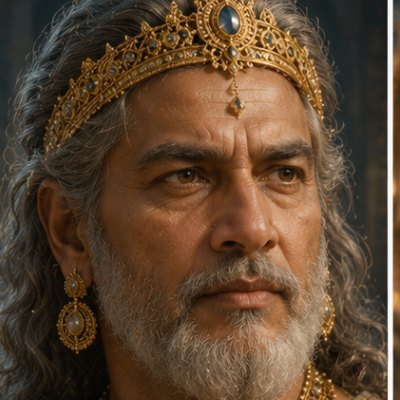
Anu — Son of Kapotaroma, Fifth Generation of the Kukura Clan
Anu · Anaka · Bhava
Anu is recorded in the Puranic genealogies of the Yadava lineage as a son of Kapotaroma, who was himself the son of Viloma and great-grandson of Kukura, the founding ancestor of the Kukura branch of the Yadava confederation. Anu thus represents the fifth generation of the Kukura sub-clan within the genealogical tree of the Yadu dynasty. The Yadu dynasty belongs to the lunar line (Chandravamsha) of Indian epic and Puranic tradition, descending through Chandra, Budha, Pururavas, Ayus, Nahusha, Yayati, and Yadu, from whom all Yadava clans derive their collective identity. Anu is notable among the intermediate figures of the Kukura genealogy in that the Bhagavata Purana singles him out not merely as a generational link but records a specific personal distinction — his celebrated friendship with Tumburu, the renowned Gandharva musician of the celestial realms. He appears under variant names across different Puranic recensions, being called Anaka in some texts and Bhava in others.
✦ The Name
Anu is a Sanskrit word carrying the sense of following after, minute, or atomic — a prefix of wide usage in Sanskrit that as a standalone name suggests one who follows or accompanies. Anaka, the variant recorded in some Puranic recensions, is a Sanskrit term meaning a small drum or kettle-drum, a name with musical associations that may be incidentally resonant with Anu's noted connection to the Gandharva musician Tumburu, though no primary source draws this connection explicitly. Bhava, the third variant found in certain recensions, is a Sanskrit term meaning existence, being, or becoming, and is also an epithet of the god Shiva in the broader tradition. The presence of three variant names for this figure across different texts reflects the general instability of nomenclature in the intermediate generations of Puranic genealogical lists, where scribal variation and regional recension differences frequently produce alternate name-forms for the same generational slot.
✦ Lineage
- Father: Kapotaroma — fourth generation of the Kukura clan and son of Viloma, who was himself the son of Vahni and grandson of Kukura, the founding ancestor of the Kukura sub-clan of the Yadavas.
- Paternal grandfather: Viloma — third generation of the Kukura clan in the Bhagavata Purana's account, son of Vahni.
- Paternal great-grandfather: Vahni — second generation of the Kukura clan, son of Kukura, also identified as Dhrista in the Garuda Purana's parallel account of the same lineage.
- Paternal great-great-grandfather: Kukura — the progenitor and naming ancestor of the Kukura branch of the Yadavas, a son of Andhaka within the broader Yadu lineage descending from Yadu, eldest son of the lunar king Yayati.
- Son: Andhaka — named in the Bhagavata Purana as the son of Anu and the sixth generation of the Kukura clan. This Andhaka is a distinct figure from his remote ancestor of the same name — Andhaka son of Satvata — who belongs to an earlier generation of the wider Yadava lineage and is the figure from whom Kukura's own line descends.
- Notable associate: Tumburu — a celebrated Gandharva, one of the foremost divine musicians of the celestial realms, renowned throughout the Puranic tradition as a master of song and music in the court of Indra, king of the gods. Tumburu is not a descendant of Anu but is recorded in the Bhagavata Purana as Anu's personal friend, making him the only externally associated figure singled out in connection with any of the intermediate Kukura genealogical figures.
✦ The Friendship with Tumburu
The Bhagavata Purana, in its ninth skanda's enumeration of the Kukura lineage, records that Tumburu was the friend of Anu. This is a brief but distinctive notice: among the long chain of ancestral names listed in this genealogical passage, Anu is the only figure for whom a personal association of this kind is explicitly noted. Tumburu is a well-established figure in the broader Puranic and epic tradition, appearing across the Mahabharata, the Ramayana, and numerous Puranas as one of the principal Gandharvas — semi-divine celestial beings celebrated for their mastery of music and song. He is frequently mentioned alongside the sage-musician Narada and is counted among the foremost performers in the assemblies of the gods. The nature and circumstances of the friendship between the human king Anu and the celestial Gandharva Tumburu are not elaborated upon in the Bhagavata Purana beyond the bare statement of the association. No primary source provides further narrative detail about how this friendship arose or what form it took.
✦ The Lineage from Anu to Ahuka
The Bhagavata Purana traces the Kukura lineage from Anu through several further generations before reaching the prominent figure of Ahuka, who is a well-known ancestor of Ugrasena, king of Mathura, and grandfather of Kamsa. The sequence as given in the Bhagavata Purana runs: Anu — Andhaka — Dundubhi — Avidyota — Punarvasu — Ahuka. Through Ahuka and his descendants, the Kukura lineage connects directly to the political and narrative world of the late Dvapara Yuga as described in the Bhagavata Purana and the Harivamsa, culminating in the Mathura kingdom and the events surrounding Krishna's birth and early life. The Andhaka who is Anu's son should be understood as a distinct individual from the earlier Andhaka figures in the Yadava genealogy — the reuse of ancestral names across generations is a common feature of Puranic dynastic lists.
✦ Textual Variants and Inconsistencies
The variant names Anaka and Bhava for this figure reflect differences between Puranic recensions rather than separate individuals. The Matsya Purana, which diverges from the Bhagavata account at the preceding generation of Kapotaroma, does not include Anu in its lineage track at all, instead giving Taittiri as Kapotaroma's son and tracing a different set of intermediate figures — Nala and Daradundubhi — before converging with the Bhagavata line at Punarvasu. Anu is therefore a figure attested specifically within the Bhagavata Purana tradition and its recensions, and does not appear as a named generational link in the Matsya Purana's parallel account of the same clan.
✦ Connection to the Wider Genealogy
Anu stands at a significant position within the Kukura sub-clan's genealogical chain as the last of the purely intermediate figures before the lineage enters the more narratively prominent generations leading to Ahuka, Ugrasena, and Kamsa. His connection to Tumburu, a figure of pan-Puranic and epic significance, gives him a small but distinctive foothold in the broader mythological tradition beyond the bare genealogical record. The Kukura clan of which Anu was a member was one of the recognised sub-groups of the larger Yadava confederation, which also included the Vrishnis, Andhakas, Bhojas, and Dasharhas, all sharing common descent from Yadu and occupying the Mathura-Dwaraka region of the Yadava homeland.
✦ References
- Bhagavata Purana, Ninth Skanda, Chapter 24, verse 20: The primary source naming Anu as the son of Kapotaroma, recording his friendship with the Gandharva Tumburu, naming Andhaka as his son, and giving the full downstream sequence Anu — Andhaka — Dundubhi — Avidyota — Punarvasu — Ahuka.
- Matsya Purana, genealogical section on the Yadava clans: The source presenting the alternative lineage track from Kapotaroma through Taittiri, Nala, and Daradundubhi to Punarvasu, in which Anu does not appear as a named generational figure.
- Mahabharata, various parvas: Contains references to Tumburu as a celebrated Gandharva musician in the celestial assemblies, providing context for the significance of Anu's noted association with this figure.
- Harivamsa, Harivamsha Parva, chapters 37–40: Contains broader Yadava genealogical material providing context for the Kukura lineage and the later figures — Punarvasu, Ahuka, Ugrasena — to whom Anu's line leads.
- Vishnu Purana, Book Four, chapters 12–14: A further Puranic genealogy of the Yadu line useful for cross-referencing the generational positions of figures within the Kukura sub-clan.
- Puranic Encyclopaedia by Vettam Mani (1975): A modern reference work summarising Puranic genealogical lists and entries on Tumburu, relevant for cross-checking names, variant name-forms, and generational positions within the Kukura lineage.