
About
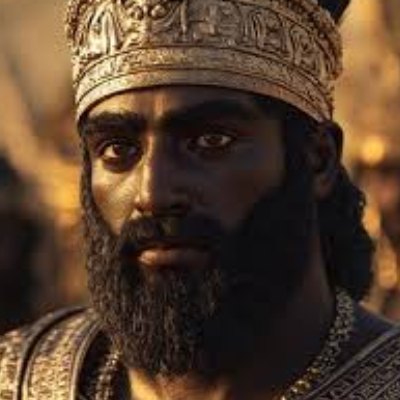
Vrijinivant — Early King of the Kroshtu Line of the Lunar Dynasty
Vrjinivan · Vrijinivan · Vrajinivan · Dhwajnivan · Vrjinivat
Vrijinivant is a king of the Lunar Dynasty, recorded in the genealogical sections of the Bhagavata Purana, the Brahma Purana, and the Vishnu Purana as the immediate son of Kroshtu — the younger son of the patriarch Yadu, founder of the Yaduvamsha. His position places him at the very head of the Kroshtu branch of the Yadava lineage, making him an early ancestor of the long succession of kings that ultimately culminated, many generations later, in Vasudeva and his son Krishna. Vrijinivant is not associated with any independent narrative episode in the surviving primary texts; his significance in the tradition is genealogical rather than biographical.
✦ The Name
The Sanskrit form Vrjinivan is composed of vrjina, a term carrying connotations of crookedness, sin, or difficulty, and van, a suffix denoting possession or abundance. The compound can thus be read as one who bears or endures hardship, or alternatively as one who has overcome difficulty. The epithet Dhwajnivan, found in certain recensions of the Vishnu Purana, is a distinct name meaning one who dwells under or possesses a banner or standard, suggesting a different characterisation of the same figure. The two names appear to reflect variant manuscript traditions rather than two separate persons.
✦ Lineage
- Grandfather: Yadu — legendary patriarch and eldest son of King Yayati of the Lunar Dynasty by his wife Devayani; founder of the Yaduvamsha, the broad confederacy of clans from which all Yadavas descend.
- Father: Kroshtu (also spelled Kroshta or Kroshti) — the younger son of Yadu, progenitor of the Kroshtu branch of the Yadavas, from which the Vrishnis, Andhakas, Bhojas, Surasenas, and related clans are ultimately descended.
- Son: Svahi (also spelled Swahi or Svahi) — named in both the Bhagavata Purana and the Brahma Purana as Vrijinivant's immediate successor; described in the Brahma Purana as the most excellent among sacrificers.
The line from Svahi runs forward through Rushanku (also called Usadgu in the Brahma Purana), then Citraratha, and then to the celebrated universal sovereign Shashabindu (Sasabindu), who is described across multiple Puranas as a chakravartin of extraordinary power and wealth. Further generations produced the kings of the Vidarbha line including Jyamagha, and eventually the Surasena kings among whose descendants Vasudeva, the father of Krishna, is counted.
✦ Textual Variants and Inconsistencies
The primary texts agree that Vrijinivant is the son of Kroshtu and the father of Svahi, but they diverge on the name itself. The Bhagavata Purana (Ninth Canto, Chapter 23) and the Brahma Purana (Chapter 13 of the Vrishni genealogy) use the form Vrjinivan or Vrjinivant. Certain recensions of the Vishnu Purana, as reflected in later summaries of that text, give the name as Dhwajnivan instead. Scholarly study of the Brahma Purana's dynastic data confirms that both forms appear in the manuscript tradition and that the figure they designate occupies the same position in the lineage sequence — son of Kroshtu, father of Svahi — regardless of which name is used. It is possible that one form is a scribal corruption of the other, though no ancient commentary definitively resolves the discrepancy.
A further variation exists in the Brahma Purana's extended genealogy, which inserts an additional name, Usadgu, between Svahi and Citraratha, whereas the Bhagavata Purana's sequence moves from Svahi directly to Rushanku and then Citraratha. This does not affect Vrijinivant's own position in the lineage but illustrates the broader pattern of minor divergences among Puranic dynastic lists for this branch.
✦ Connection to the Wider Genealogy
Vrijinivant stands at the first generation below Kroshtu within the Yaduvamsha, making him a great-grandson of King Yayati — the Lunar Dynasty monarch whose curse upon his son Yadu established the particular character of the Yadava lineage as separate from the main Paurava imperial succession. The Kroshtu branch to which Vrijinivant belongs eventually diverged into numerous sub-clans. The line running through his son Svahi and grandson Citraratha leads to Shashabindu, one of the most celebrated sovereigns in Puranic tradition. Further downstream, the same line branches into the Vidarbha kings and the Surasena rulers of the Mathura region, the latter being the paternal family from which Vasudeva, the father of Krishna, is descended.
✦ References
Primary Sources
- Bhagavata Purana, Ninth Canto (Skandha 9), Chapter 23, verses 30–31: The principal source placing Vrjinivan as the son of Kroshtu and father of Svahi; provides the core lineage sequence through Citraratha and Shashabindu.
- Brahma Purana, Chapter 13 (The Family of the Vrishnis): Confirms Vrijinivant as son of Kroshtu and describes his son Svahi as an eminent sacrificer; extends the genealogy through Usadgu and Citraratha.
- Vishnu Purana, Book 4 (Vamsha sections): Gives the variant name Dhwajnivan for the same genealogical position; otherwise preserves the same lineage sequence through Svahi, Rushanku (Chitraratha), and Shashabindu (Rashibindu).
Secondary and Reference Works
- Wisdomlib.org, Bhagavata Purana translation and commentary (Ninth Skandha, Chapter 23): Provides the translated text with scholarly footnotes noting manuscript variants and the broader Yadava dynastic framework.
- Wisdomlib.org, Brahma Purana critical study, Chapter 12 (Dynastic Data): Documents the extended Kroshtu lineage including the Vrjinivan–Svahi–Usadgu–Citraratha–Shashabindu sequence and notes the relationship to the Vishnu Purana's variant names.
- Wikipedia, "Yadava" article: Provides contextual overview of the Kroshtu branch's relationship to the broader Yadava confederacy and the descent of the Vrishni, Andhaka, and Surasena clans from this lineage.