
About
Dundubhi — Son of Andhaka, Seventh Generation of the Kukura Clan
Dundubhi · Dundubhi of the Kukura line
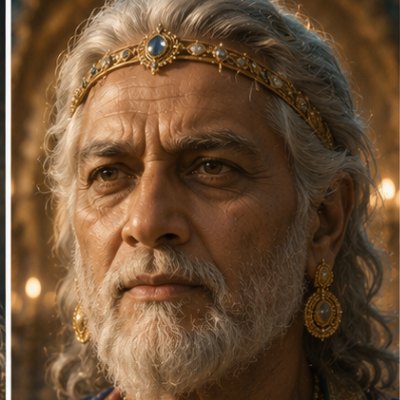
Dundubhi is recorded in the Puranic genealogies of the Yadava lineage as the son of Andhaka — himself the son of Anu, the Kukura king celebrated in the Bhagavata Purana for his friendship with the Gandharva musician Tumburu — and thus represents the seventh generation of the Kukura sub-clan within the genealogical tree of the Yadu dynasty. The Yadu dynasty belongs to the lunar line (Chandravamsha) of Indian epic and Puranic tradition, descending through Chandra, Budha, Pururavas, Ayus, Nahusha, Yayati, and Yadu, from whom all Yadava clans derive their collective identity. Dundubhi's principal significance in the textual record is his position as a generational link in the Kukura chain between Andhaka and Avidyota, through whom the lineage continues toward the prominent later figures of Punarvasu, Ahuka, Ugrasena, and Kamsa. He receives no independent narrative episode in the primary sources and is known solely through the genealogical enumerations in which his name appears.
✦ The Name
Dundubhi is a Sanskrit word denoting a large kettledrum or war drum — a resonant percussion instrument used in Vedic ritual contexts, in battle, and in royal ceremonial settings. The name appears in the broader Puranic and epic tradition applied to several distinct figures: most notably a demon named Dundubhi who appears in the Ramayana and who is slain by the monkey king Vali, and a separate figure named Dundubhi who appears in other Puranic contexts. The Dundubhi of the Kukura genealogy is entirely distinct from all these figures and shares only the name. Within the Kukura lineage the name carries no elaborated symbolic significance in the texts; it functions as a dynastic personal name without narrative commentary.
✦ Lineage
- Father: Andhaka — sixth generation of the Kukura clan and son of Anu, who was himself the son of Kapotaroma. This Andhaka is distinct from the earlier figure Andhaka son of Satvata, who is a remote ancestor of the Kukura clan belonging to an entirely different and earlier branch of the Yadava genealogy.
- Paternal grandfather: Anu — fifth generation of the Kukura clan, also known as Anaka or Bhava in different Puranic recensions, and son of Kapotaroma. Anu is the only intermediate Kukura figure whom the Bhagavata Purana singles out for a personal distinction, recording his celebrated friendship with Tumburu, the foremost Gandharva musician of the celestial realms.
- Paternal great-grandfather: Kapotaroma — fourth generation of the Kukura clan, son of Viloma.
- Paternal great-great-grandfather: Viloma — third generation of the Kukura clan in the Bhagavata Purana's account, son of Vahni.
- Clan founder (six generations prior): Kukura — the progenitor and naming ancestor of the Kukura branch of the Yadavas, a son of Andhaka son of Satvata, within the broader Yadu lineage descending from Yadu, eldest son of the lunar king Yayati.
- Son: Avidyota — also rendered as Aridyota in some recensions, named in the Bhagavata Purana as the son of Dundubhi and the eighth generation of the Kukura clan, through whom the lineage continues toward Punarvasu and Ahuka.
✦ Position in the Lineage Leading to Mathura
The full downstream sequence from Dundubhi, as given by the Bhagavata Purana, runs: Dundubhi — Avidyota — Punarvasu — Ahuka. Ahuka is the figure from whom the royal house most directly associated with Mathura descends. Ahuka's son Ugrasena was the king of Mathura, and Ugrasena's son Kamsa was the adversary of Krishna whose actions set in motion the central narrative of the Bhagavata Purana's tenth skanda. Dundubhi thus stands three generations before Ahuka and four before Ugrasena in the Bhagavata account, placing him among the later intermediate figures of the Kukura lineage as it approaches the historically and narratively prominent Mathura royal house.
✦ Disambiguation from Other Figures Named Dundubhi
Several distinct figures bearing the name Dundubhi appear across the Puranic and epic tradition and must be carefully separated from the Kukura king of this profile. The most prominent is the demon Dundubhi who appears in the Ramayana's Kishkindha Kanda as a powerful Asura slain in combat by Vali, the monkey king of Kishkindha, whose bones are later encountered by Rama. A further figure named Dundubhi appears in other Puranic contexts unrelated to the Yadava genealogy. The Dundubhi of the Kukura sub-clan is a mortal king whose sole attested role in the primary texts is as a generational link in the genealogical chain, and none of the narrative material associated with the other Dundubhi figures has any connection to him.
✦ Textual Variants and Inconsistencies
Dundubhi is attested as a named figure in the Bhagavata Purana's lineage track for the Kukura clan. The Matsya Purana's alternative track, which diverges from the Bhagavata account at the level of Kapotaroma by naming Taittiri rather than Anu as Kapotaroma's son, does not include Dundubhi in its sequence. The Matsya Purana proceeds through Taittiri — Nala — Daradundubhi — Punarvasu — Ahuka, bypassing Dundubhi along with Anu, Andhaka son of Anu, and Avidyota, before converging with the Bhagavata account at Punarvasu. It is worth noting that the Matsya Purana's name Daradundubhi in its alternative track contains the element dundubhi, which may reflect a scribal or recension-level connection between the two traditions at this point in the genealogy, though no primary source makes this identification explicitly. The name variant Aridyota for Dundubhi's son, in place of the more common Avidyota, reflects differences between manuscript recensions of the Bhagavata Purana rather than a separate figure.
✦ References
- Bhagavata Purana, Ninth Skanda, Chapter 24, verse 21: The primary source naming Dundubhi as the son of Andhaka and Avidyota as his son, situating him as the seventh generation of the Kukura clan in the sequence leading to Punarvasu and Ahuka.
- Matsya Purana, genealogical section on the Yadava clans: The source presenting the alternative lineage track from Kapotaroma that bypasses Dundubhi, converging with the Bhagavata account only at Punarvasu, and notable for its inclusion of the related name Daradundubhi in the alternative sequence.
- Harivamsa, Harivamsha Parva, chapters 37–40: Contains broader Yadava genealogical material providing context for the Kukura lineage and the later figures toward whom Dundubhi's line leads.
- Ramayana, Kishkindha Kanda: Source for the entirely separate figure of Dundubhi the Asura slain by Vali, cited here to establish the distinction between that narrative figure and Dundubhi son of Andhaka of the Kukura clan.
- Hindupedia — entry on Dundubhi: A modern Hindu encyclopaedic reference consulted for information on the various figures bearing this name across the tradition.
- Puranic Encyclopaedia by Vettam Mani (1975): A modern reference work summarising Puranic genealogical lists and providing entries on the multiple figures named Dundubhi, relevant for disambiguation and cross-checking of generational positions within the Kukura lineage.