
About
Kamsavati — Fifth Princess of the Kukura Clan and Wife of Devasravas of the Vrishni Line
Kamsavati · Kamsavatika · Kankavati
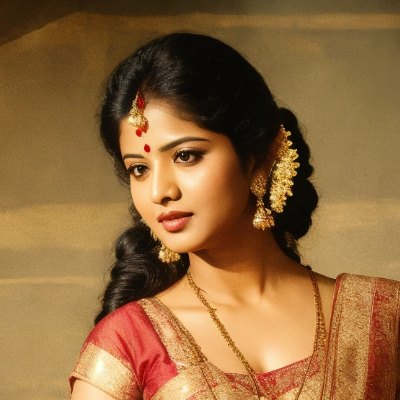
Kamsavati was the fifth and youngest daughter of King Ugrasena, ruler of Mathura and patriarch of the Kukura sub-clan of the Yadava confederacy. She was a sister of Kamsa, the tyrannical king of Mathura remembered in the Puranic tradition as the principal adversary of Lord Krishna, and a sister of Kamsaa, Kanka, Surabhu, and Rashtrapali — all of whom were given in marriage to younger brothers of Vasudeva, the father of Lord Krishna, from the Vrishni sub-clan. Kamsavati's own marriage to Devasravas, a Vrishni prince and younger brother of Vasudeva, is established by the sequential kramat structure of Bhagavata Purana 9.24.25, which aligns the five daughters of Ugrasena with five sons of Shurasena in precise parallel order, placing the fifth daughter against the fifth husband. By birth she carried the Kukura lineage designation; her sons by Devasravas carried the Vrishni designation inherited from their father. She is recorded in the Bhagavata Purana and the Vishnu Purana. The name Kankavati found in certain secondary translations is a phonetic variant without independent primary textual attestation; Kamsavatika is a regional recension form of the same root name Kamsavati.
✦ The Name
The name Kamsavati is a feminine compound of Kamsa — the dynastic name shared with her elder brother the king of Mathura — and the suffix vati, denoting a woman bearing the quality or identity of the first element. It functions as a dynastic marker identifying her as one born of the Kamsa line. The regional variant Kamsavatika is a diminutive extension of the same root. The name Kankavati, appearing in certain secondary English translations and modern genealogical compilations, is not attested as an independent form in the principal Sanskrit recensions of the Bhagavata Purana and is most plausibly explained as a phonetic corruption or scribal substitution; it carries no independent primary authority.
✦ Lineage
- Father: King Ugrasena — ruler of Mathura and patriarch of the Kukura sub-clan of the Yadavas; Kamsavati is born into his line and carries the Kukura lineage designation by birth.
- Brother: Kamsa — king of Mathura, eldest son of Ugrasena, and the principal antagonist of Lord Krishna in the Puranic narrative.
- Sister: Kamsaa — daughter of Ugrasena given in marriage to Devabhaga, a younger brother of Vasudeva of the Vrishni sub-clan; mother of Chitraketu and Brihadbala.
- Sister: Kanka — daughter of Ugrasena given in marriage to Kanka the Vrishni prince, a younger brother of Vasudeva; mother of Satyajit and Puru.
- Sister: Surabhu — daughter of Ugrasena given in marriage to Anadhrishti, a younger brother of Vasudeva of the Vrishni sub-clan; mother of Nighna.
- Sister: Rashtrapali — daughter of Ugrasena given in marriage to Srinjaya, a younger brother of Vasudeva of the Vrishni sub-clan; mother of Vrisha and Durmarshana.
- Husband: Devasravas — a prince of the Vrishni sub-clan of the Yadavas, a son of Shurasena, and a younger brother of Vasudeva the father of Lord Krishna. Through this marriage Kamsavati became connected by alliance to the Vrishni branch of the Yadava confederacy.
- Son: Shatrughna — son of Kamsavati and Devasravas; carries the Vrishni lineage designation inherited from his father. This figure is entirely distinct from Shatrughna the youngest brother of Lord Rama in the Ramayana tradition, who belongs to the Ikshvaku solar dynasty of Ayodhya.
- Son: Ekalavya — son of Kamsavati and Devasravas according to the Vishnu Purana; abandoned in infancy and raised among the Nishada people; celebrated in the Mahabharata as an exceptional archer. The Mahabharata does not assign him this Vrishni parentage, presenting a distinct tradition addressed below.
✦ Marriage Alliance and Cross-Branch Significance
The marriage of Kamsavati to Devasravas is established by the kramat sequential alignment of Bhagavata Purana 9.24.25. The verse lists the five daughters of Ugrasena — Kamsaa, Kanka, Surabhu, Rashtrapali, Kamsavati — and five sons of Shurasena — Devabhaga, Kanka, Anadhrishti, Srinjaya, Devasravas — in deliberate parallel order, with each daughter corresponding precisely to the husband listed in the same position in the sequence. Kamsavati, as the fifth daughter, is thereby matched to Devasravas, the fifth husband. This structural principle of the verse is the authoritative basis for the assignment and resolves the transposition that had in earlier compilations erroneously paired Kamsavati with Kanka the Vrishni brother.
Because Devasravas was a younger brother of Vasudeva, Kamsavati stood in the position of a paternal aunt by marriage to Lord Krishna. Her sons Shatrughna and Ekalavya were accordingly first cousins of Krishna on the paternal side through their father's fraternal connection to Vasudeva, while simultaneously being grandsons of Ugrasena and nephews of Kamsa through their mother's Kukura birth.
✦ Her Son Ekalavya
The Vishnu Purana records that Ekalavya, born to Kamsavati and Devasravas, was abandoned in infancy and subsequently found and raised among the Nishada people, a forest-dwelling community. This account gives Ekalavya a birth identity as a Vrishni prince of Yadava stock while his social upbringing was entirely among the Nishadas. In the Mahabharata, Ekalavya is presented solely as a Nishada prince who sought instruction from Drona — the celebrated preceptor of the Pandava and Kaurava princes — and upon being refused formal discipleship, trained himself before a clay image of Drona, attaining exceptional skill in archery. When Drona subsequently asked for his right thumb as a teacher's fee, Ekalavya severed and presented it without hesitation. The Mahabharata does not assign Ekalavya any Vrishni or Yadava parentage; the two texts represent distinct and non-reconciled traditions regarding his origins, both of which are preserved here.
✦ Textual Variants and Inconsistencies
The Bhagavata Purana at 9.24.25 and the Vishnu Purana at 4.14.5 are consistent in identifying Kamsavati as the fifth daughter of Ugrasena. The correct husband for Kamsavati is Devasravas, as established by the kramat sequential structure of the Sanskrit verse. An earlier version of this profile and of the related Kanka profile had transposed the two husbands — assigning Devasravas to Kanka and Kanka the Vrishni brother to Kamsavati — an error arising from the coincidence of similar names within the same verse and compounded by inconsistent secondary source renderings. The corrected alignment, following the Sanskrit text directly, assigns Kamsavati to Devasravas and Kanka the sister to Kanka the Vrishni brother. The sons Shatrughna and Ekalavya belong properly to the Devasravas branch and are therefore correctly placed in this profile of Kamsavati rather than in the profile of her sister Kanka.
✦ Connection to the Wider Genealogy
Kamsavati belongs to the Kukura branch of the Yadava confederacy through her father Ugrasena. Her husband Devasravas was a son of Shurasena, the Vrishni chieftain, and a younger brother of Vasudeva, who fathered Lord Krishna by Devaki. Devasravas, as a son of Shurasena and brother of Vasudeva, was a paternal uncle of Krishna. Kamsavati's sons Shatrughna and Ekalavya were first cousins of Krishna on the paternal side and simultaneously maternal grandsons of the Kukura royal house of Mathura, completing the full generation of cross-lineage cousins produced by the five Kukura–Vrishni matrimonial alliances recorded in the Puranas.
✦ References
- Bhagavata Purana, Skandha 9, Chapter 24, verse 25: Primary source establishing Kamsavati as the fifth daughter of Ugrasena and, through the kramat sequential alignment of sisters and husbands, assigning her marriage to Devasravas the fifth-listed Vrishni brother.
- Bhagavata Purana, Skandha 9, Chapter 24, verses 28–29: Records the children of the Vrishni brothers; consulted for context regarding the sons assigned to the Devasravas branch.
- Vishnu Purana, Amsha 4, Chapter 14, verse 5: Corroborating source identifying Kamsavati as a daughter of Ugrasena and recording Shatrughna and Ekalavya as her sons by Devasravas, including the detail of Ekalavya's abandonment and Nishada upbringing.
- Mahabharata, Adi Parvan: Contains the principal narrative of Ekalavya as a Nishada prince and archer; does not assign him Vrishni parentage, representing a distinct tradition from the Vishnu Purana account; both traditions are noted.