
About
Vallis — The Climbing Creepers, Daughters of Kashyapa and Ira
Valli · Vallya · climbing plants · Valli-varga
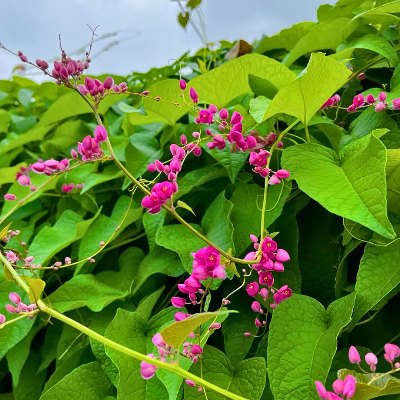
The Vallis are the class of climbing creeper plants born as daughters of the primordial sage Kashyapa and his wife Ira. They are enumerated in the Vishnu Purana and the Vayu Purana as one of the six categories of vegetable life that arose from Ira, and they are distinguished from the related Lata class (creepers and vines) by their characteristic mode of growth — the Valli typically climbs or scrambles by means of tendrils, hooks, or twining stems, attaching itself to and ascending other plants or structures. Kashyapa, one of the Saptarishis or seven great sages and a primary Prajapati, is credited in the Puranas with fathering all principal orders of creation through his various wives, with Ira being the wife associated specifically with the plant kingdom.
✦ The Name
The Sanskrit word Valli (also Vallari or Vallikaa in later usage) designates a creeping or climbing plant, particularly one that attaches itself to other vegetation or to a supporting surface as it grows upward. Classical botanical texts use the word for climbing plants with tendrils or twining growth habits, distinguishing them from the Lata class of plants that trail or hang. In some texts the distinction between Valli and Lata is subtle and the terms are used interchangeably; however, the Puranic genealogical lists treat them as separate named classes. The word Valli is also encountered in personal names in the Hindu tradition — notably Valli, the consort of Murugan (Skanda/Kartikeya) — but this personal name is unrelated to the botanical class enumerated in Ira's progeny.
✦ Lineage
- Father: Kashyapa — one of the seven great sages (Saptarishis), a Prajapati or progenitor-lord, son of the sage Marichi who was himself born of Brahma; across the Puranas he is the progenitor of the widest range of created beings
- Mother: Ira — one of the daughters of Daksha, given as a wife to Kashyapa; specifically associated with the origin of plant life; also rendered as Ida in some textual variants
- Siblings through Ira (same mother and father): Oshadhis (herbs and medicinal plants), Gulmas (shrubs and bushes), Trinas (grasses and straw), Latas (creepers and vines), and Vrikshas (trees)
✦ Role in Puranic Cosmogony
The Vallis, as climbing creepers, occupy a distinctive ecological niche within the plant taxonomy of the Puranas. Their defining characteristic of reaching upward by attaching themselves to other plants or structures placed them in a category that overlapped with but was separate from the trailing Latas. Several ecologically and ritually important plants belong to the climbing category — including various species used in Ayurvedic medicine and in ritual contexts — and their cosmogonic origin in the lineage of Kashyapa and Ira situates them within the sacred order of created life.
Like all of Ira's plant offspring, the Vallis are subject to the sovereignty of Soma, the moon deity, who nourishes and governs the entire plant kingdom. The relationship between the moon and plant growth — reflected in the Puranic title Oshadhipati (lord of plants) applied to Soma — encompasses the Vallis within the broader doctrine of lunar influence over vegetation.
✦ Textual Variants
Some Puranic lists group the Vallis and Latas together as a single category of creeping plants, while others — including the Vishnu Purana's account — treat them as two distinct classes. Where the distinction is maintained, the Vallis are generally understood as the upward-climbing forms and the Latas as the trailing or hanging forms, though the textual descriptions do not always make this differentiation explicit, and later Sanskrit botanical literature shows variation in how the two terms are applied.
✦ Connection to the Wider Genealogy
Through Kashyapa, the Vallis share cosmogonic ancestry with the gods, demons, serpents, birds of prey, and other classes of beings enumerated as Kashyapa's offspring through his other wives. Within the plant kingdom itself, they are siblings of five other named categories, all born of the same mother Ira, forming a complete vegetable world within the Puranic genealogical framework.
✦ References
- Primary Sources
- Vishnu Purana, Book I, Chapter 15: Names Vallis among the plant daughters of Kashyapa and Ira, as part of the six-fold plant taxonomy.
- Vayu Purana, Chapter 69: Parallel account confirming the Valli class as born of Ira.
- Mahabharata, Adi Parva, Chapter 65: Genealogical list of Kashyapa's wives and their offspring; partial corroboration of the plant lineage.
- Secondary Sources
- Mani, Vettam. Puranic Encyclopaedia. Motilal Banarsidass, 1975: Covers the enumeration of Ira's plant offspring and the broader Kashyapa genealogy.
- Monier-Williams, M. A Sanskrit-English Dictionary. Oxford, 1899: Defines Valli and related botanical terms in classical Sanskrit.