
About
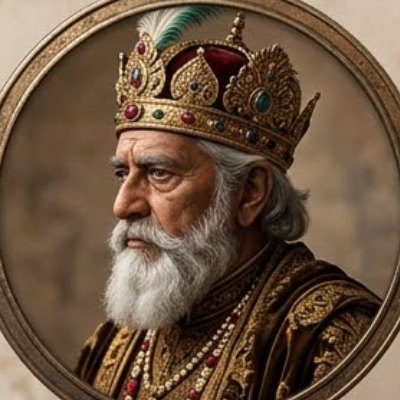
Krita — King and Vedic Compiler of the Dvimidha Line
Krita · Krti · Krti of the Dvimidha Line
Krita is a king of the Dvimidha branch of the Puru lineage within the Chandravamsha, the Lunar dynasty of ancient India. He is the son of Sannatiman (also rendered Sannati), who is himself a descendant of Dvimidha through the intermediate rulers Yavinara, Dhritiman, Satyadhrti, Dridhanemi, Suparshva, and Sumati. Krita is distinguished from the other largely anonymous rulers of this branch by a specific note in the Bhagavata Purana recording that he received mystic power directly from Brahma and subsequently compiled and taught six samhitas belonging to the Pracyasama division of the Sama Veda. His son is Nipa, from whom the line continues. Krita's primary source is the Bhagavata Purana (Skandha 9, Adhyaya 21, verses 28–29), corroborated in the footnotes to the Vishnu Purana translation by H.H. Wilson.
✦ The Name
The name Krita (Sanskrit Krti) derives from the root kr, meaning to do, make, or accomplish, and carries the sense of one who has done or achieved something, or more broadly one who is accomplished, perfected, or fulfilled. In the Puranic tradition the word krita also denotes the first and most righteous of the four world ages — the Krita Yuga — suggesting connotations of completeness and excellence. The name is shared by several figures in Puranic and epic literature and must be distinguished by lineage context; this Krita belongs specifically to the Dvimidha sub-branch of the Puru dynasty and is not to be confused with other figures of the same name in unrelated dynastic lines.
✦ Lineage
- Dynasty: Chandravamsha (Lunar dynasty), Puru lineage, Dvimidha branch
- Dvimidha: Remote ancestor and branch-founder; son of Hastin, who founded Hastinapura, and a great-great-grandson of the emperor Bharata
- Father: Sannatiman (Sannati) — son of Sumati, son of Suparshva, son of Dridhanemi, son of Satyadhrti, son of Dhritiman, son of Yavinara, son of Dvimidha
- Son: Nipa — next in succession in the Dvimidha line; his son in turn is Ugrayudha
✦ The Grant of Mystic Power and the Sama Veda Samhitas
The Bhagavata Purana singles out Krita from the otherwise undifferentiated succession of Dvimidha kings by recording that he received a grant of mystic or spiritual power directly from Brahma, the creator deity regarded in the tradition as the original custodian and source of Vedic knowledge. Following this bestowal, Krita compiled and disseminated six samhitas — collections of sacred hymns and melodic chants — drawn from the Pracyasama portion of the Sama Veda. The Pracyasama (literally the eastern or ancient Sama) refers to a recognised subdivision of the Sama Veda corpus, distinct from other well-known branches such as the Kauthuma and Jaiminiya recensions.
The episode is theologically significant because Krita is, in terms of birth, a kshatriya — a member of the warrior and ruling class — yet his activity here is that of a Vedic compiler and teacher, a role conventionally associated with the brahmin class. The Puranic tradition contains several such figures, kings who through extraordinary spiritual attainment or divine favour acquire the standing or function of brahmins, or who contribute to the preservation and transmission of sacred learning. The Vishnu Purana's footnote (Wilson, Book IV, note 40) notes this same attribution of six Sama Veda samhitas to Krita, confirming the detail is consistent across the major Puranic sources.
✦ Connection to the Wider Genealogy
Krita stands at a pivotal generational position in the Dvimidha line. Behind him lie the nine undifferentiated royal ancestors from Dvimidha down through Sannatiman; ahead of him, through his son Nipa, comes the more narratively prominent figure of Ugrayudha — a king recorded in both the Harivamsa and the Mahabharata tradition as a violent ruler who seized the Panchala kingdom by force before being killed by Bhishma, the Kuru patriarch, who acted to suppress Ugrayudha's unlawful demand for the hand of the widowed queen Satyavati. Krita is thus the great-grandfather of that turbulent episode. The line continues beyond Ugrayudha through Kshemya, Suvira, and Nripanjaya (Ripunjaya) to Bahuratha, the last named king in this branch in the Bhagavata Purana's account.
The Dvimidha branch as a whole runs parallel to the main Kuru line — the dynasty of Dhritarashtra and the Pandavas — both branches ultimately deriving from the sons of Hastin and the common Puru stock. Dvimidha was a brother of Ajamidha, the progenitor of the Kuru main line, making these two dynastic streams collateral descendants of the same founding ancestor.
✦ References
- Primary Sources:
- Bhagavata Purana, Skandha 9, Adhyaya 21, verses 28–29: The sole primary source giving individual notice to Krita; records his descent from Sannatiman, his receipt of mystic power from Brahma, his compilation of six samhitas of the Pracyasama division of the Sama Veda, and his son Nipa
- Vishnu Purana, Book IV, Chapter XIX (H.H. Wilson translation, note 40): Corroborates the Bhagavata's attribution of the six Sama Veda samhitas to Krita and notes the detail as distinctive to the Bhagavata account among the Puranic sources
- Secondary Sources:
- Wisdomlib, Bhagavata Purana chapter summary, SB 9.21: Provides the English rendering of the relevant passage and confirms the genealogical sequence
- Vettam Mani, Puranic Encyclopaedia: General reference for disambiguation of the name Krita across different dynastic contexts