
About
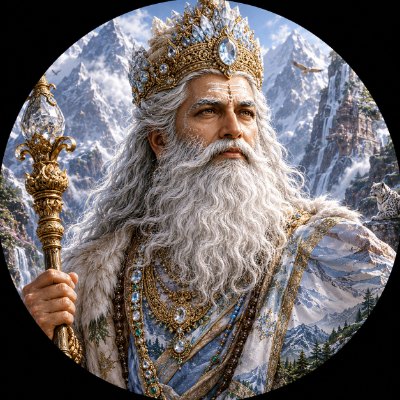
Himavat — King of the Himalayas, Father of Parvati and Ganga
Himavat · Himavan · Himavant · Himavan · Himaraja · Parvateshvara · Shaila-raja · Parvata-raja · Haimavat
Himavat is the personification and guardian deity of the Himalayan mountains in Hinduism. He is the king of all mountains — the sovereign of the greatest mountain range on earth — and finds mention in the Mahabharata, the Ramayana, and across the Puranas. He is the father of Parvati — the second consort of Shiva and one of the Tridevi — and of Ganga — the sacred river goddess. His wife is Mainavati (also called Mena or Menavati). He is the father-in-law of Shiva and the grandfather of Ganesha and Kartikeya. The sacred text of the Devi Gita — found in the Devi Bhagavata Purana — is a dialogue between Parvati and Himavat, in which Parvati reveals to her father the universal form of the Devi and instructs him in the highest sacred knowledge. Krishna performed tapas on the peaks of the Himalayas to appease Himavat, which led to the birth of his eldest son Pradyumna.
✦ The Name
The name Himavat derives from hima — snow, frost, winter — and vat — possessing, full of. Together: he who is full of snow or the snowy one. His alternate names carry the same meaning in varied forms: Himavan (the snowy), Himavant (the icy), Himaraja (king of snow), and Parvateshvara (lord of mountains). The word parvata — mountain — gives his daughter her name: Parvati means she of the mountain, or she who is born of Parvata.
✦ Lineage
- Status: King and personification of the Himalayan mountain range; sovereign of all mountains
- Wife: Mainavati (also called Mena or Menavati) — daughter of Mount Meru per the Ramayana; daughter of Svadha and Kavi of the Pitrs per the Vishnu Purana
- Eldest daughter: Ganga — the sacred river goddess, eldest child of Himavat and Mainavati
- Second daughter: Parvati (Uma, Gauri, Haimavati) — who became the second consort of Shiva; the reincarnation of Sati
- Third daughter (some traditions): Ragini
- Son-in-law: Shiva — husband of Parvati; Himavat's initial reluctance to permit the marriage was overcome by Parvati's own resolve and Shiva's identity being revealed to him
- Grandchildren: Ganesha and Kartikeya — through Parvati and Shiva
- Brother-in-law of Ganga's mortal children: Bhishma — through Ganga's marriage to King Shantanu of the Kuru dynasty
✦ Ganga's Departure — The Giving Away of His Elder Daughter
The Ramayana describes Ganga as the firstborn of Himavat and Mainavati. In the cosmological account, the gods requested Himavat to give Ganga to them so that her divine waters could purify the heavens and ultimately descend to earth. Himavat granted this boon — giving away his eldest daughter to the celestial realm, where she flowed as a sacred river of the gods before her eventual descent to earth through Bhagiratha's penance. This act of giving is recorded as a mark of Himavat's generosity and his understanding of the cosmic purpose his daughter was born to fulfil.
✦ Parvati's Birth and Himavat's Role
After Sati's self-immolation at Daksha's yajna, Shiva retreated into deep austerities on the Himalayan peaks — the very mountains Himavat embodied and governed. The gods, requiring Shiva to return to the world and produce a son who could destroy the demon Taraka, arranged for Sati to be reborn. She was born as Parvati — the mountain king's daughter — in Himavat's own household, ensuring that Shiva and his future wife would be in proximity from the very beginning of her new life. Himavat and Mainavati raised Parvati with great care. When Parvati expressed her desire to marry Shiva, both parents initially tried to dissuade her — Mainavati in particular being reluctant. But Parvati's determination was absolute, and she undertook severe austerities that ultimately won Shiva. Himavat, recognising Shiva's supreme nature, gave his daughter in marriage with full honour.
✦ The Devi Gita
The Devi Gita — comprising the final nine chapters of the seventh Skandha of the Devi Bhagavata Purana — is structured as a dialogue between Parvati and her father Himavat. In it Parvati reveals to him her universal divine form, instructs him in the nature of Brahman, expounds the teachings of the principal Upanishads, describes ashtanga-yoga, and elaborates the paths of jnana, karma, and bhakti. She also identifies the sacred Shakti Pitha sites and the rituals of her worship. Himavat is thus the recipient of the highest divine knowledge from his own daughter — a father taught by his child who is simultaneously the supreme goddess. The Devi Gita is considered one of the most important texts of the Shakta tradition.
✦ In the Mahabharata and Kena Upanishad
The Mahabharata mentions Himavat as the greatest of mountains, the abode of gods, sages, and divine beings. His peaks are the setting for some of the most significant austerities in the tradition — from Shiva's meditation to the Pandavas' final journey up the Mahaprasthana path toward Mount Meru. The Kena Upanishad records Himavat as the setting where Uma Haimavati — Parvati, daughter of Himavat — appears to Indra and the gods to reveal the true nature of Brahman after their victory over the asuras, when they had falsely attributed their triumph to their own power rather than to Brahman. This episode in the Kena Upanishad is one of the most celebrated Upanishadic passages on the nature of divine knowledge and the error of ego in spiritual matters. The Brahmanda Purana also records his story at some length.
✦ Krishna's Tapas on His Peaks
The Wikipedia article on Himavat records that Krishna performed tapas on the peaks of the Himalayas to appease Himavat — and as a result of this penance and Himavat's satisfaction, Pradyumna, Krishna's eldest son by his favourite wife Rukmini, was born. This episode places Himavat not merely as a passive sacred geography but as an active divine power whose propitiation could determine the births of even the most exalted figures of the tradition.
✦ References
- Mahabharata (Vyasa) — references to Himavat as the greatest of mountains; the abode of gods and sages; the setting of the Pandavas' Mahaprasthana
- Valmiki Ramayana — Ganga as the firstborn daughter of Himavat and Mainavati; Himavat's giving of Ganga to the gods; Parvati as his second daughter
- Kena Upanishad — Uma Haimavati (Parvati, daughter of Himavat) appearing on the Himalayan peaks to reveal the nature of Brahman to the gods after their victory over the asuras
- Devi Bhagavata Purana — Skandha 7, Chapters 31–40: the Devi Gita — Parvati's dialogue with Himavat on the universal form of the Devi, Upanishadic knowledge, ashtanga-yoga, and the paths of jnana, karma, and bhakti
- Vishnu Purana — records Mainavati as the daughter of Svadha and Kavi of the Pitrs; Himavat's genealogical position in the mountain lineage
- Shiva Purana — Parvati's birth to Himavat and Mainavati; Himavat's initial reluctance and ultimate acceptance of Shiva as son-in-law
- Brahmanda Purana — records Himavat's story at length
- Wikipedia — Himavat; Wikipedia — Ganga (goddess); Wikipedia — Parvati: modern summaries drawing from the above primary sources