
About
Devavati — Gandharva Princess, Wife of Sukesa, and Mother of the Lanka Founders
Devavati · Daitya-vati · daughter of Gramani · daughter of Manimaya (variant)
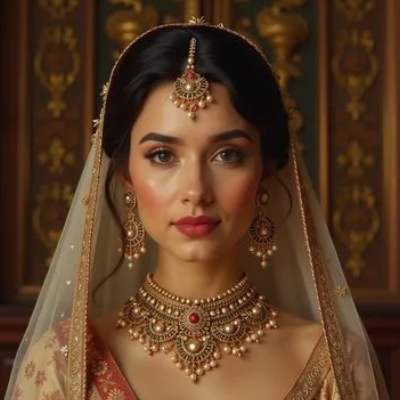
Devavati is a gandharva princess who appears in the fifth sarga of the Uttara Kanda of the Valmiki Ramayana as the wife of the rakshasa Sukesa and the mother of the three brothers Malyavan, Sumali, and Mali — the founders of the rakshasa kingdom of Lanka and the generation from which Ravana's lineage ultimately descends. She is described in the primary text as beautiful and celebrated across the three worlds, compared in splendour to the goddess Shri. Her significance in the tradition is entirely genealogical: through her marriage to Sukesa she bridges the primordial rakshasa lineage of Heti and Vidyutkesa with the gandharva world, and her three sons by Sukesa establish the Lanka dynasty whose later history dominates the Ramayana.
✦ The Name
The name Devavati is Sanskrit, a compound of deva — meaning divine, celestial, or god — and the feminine suffix vati, which forms an adjectival noun meaning one who possesses or embodies the quality indicated. Devavati thus denotes one who is possessed of divinity or divine qualities, a name entirely consistent with her gandharva origin. Gandharvas are classified in the Hindu tradition as celestial musicians and semi-divine beings, and the name Devavati reflects her status as a figure of celestial rather than demonic lineage. The alternate form Daitya-vati, which appears in several secondary accounts, is a distinct rendering and may reflect a different textual reading or a variant tradition; it is noted below under Textual Variants. The Wikipedia list of Ramayana characters describes her plainly as a gandharva princess, consistent with the primary text.
✦ Lineage
- Father (Uttara Kanda, Valmiki text): Gramani — a gandharva described in the fifth sarga of the Uttara Kanda as effulgent as fire. The Hari Prasad Shastri translation of the Valmiki text identifies him as a virtuous gandharva who, perceiving the greatness that had been conferred upon Sukesa through Shiva's blessing, gladly gave Devavati to him in marriage. No further information about Gramani's own parentage or role in the tradition is recorded in the sources consulted.
- Father (Puranic Encyclopaedia and Puranic tradition variant): Manimaya — the Tamil Brahmins Community thread, drawing on Vettam Mani's Puranic Encyclopaedia, identifies Devavati's father as the gandharva Manimaya rather than Gramani. This variant is noted further below. The VedaPurana secondary account and the Wikipedia list of Ramayana characters both use Gramani, consistent with the Valmiki primary text translation.
- Husband: Sukesa — a rakshasa who was the son of Vidyutkesa and the celestial Salakatanka, abandoned at birth in the Himalayas, and subsequently blessed by Shiva and Parvati with immortality and a flying city. Sukesa is characterised in the tradition as a figure of unusual virtue for a rakshasa; the VedaPurana account records that he sought out sages in the Magadha forest to learn the means of attaining prosperity and heaven, and subsequently led the rakshasa community toward righteous living.
- Sons: Malyavan — the eldest of the three brothers and a senior military and political figure in the Lanka rakshasa world, known in the Ramayana tradition as the granduncle of Ravana who alone among the Lanka court opposed the war with Rama; Sumali — the middle brother and father of Kaikashi, the mother of Ravana, as well as of Prahasta, Akampana, and the other sons who became Ravana's generals; Mali — the youngest brother, who was slain by Vishnu during the devas' campaign against Lanka, which forced Malyavan and Sumali to abandon Lanka and retreat to the underworld.
✦ The Marriage to Sukesa
The Uttara Kanda records the marriage of Devavati to Sukesa within Agastya's narrative of the rakshasa origins to Rama. The gandharva Gramani, perceiving Sukesa's divine elevation and the boons he had received from Shiva, recognised him as a fit match for his daughter and gave her to him. The primary text, in the Shastri translation, describes Devavati as famed in the three worlds, comparable in beauty to Shri — the goddess of wealth and prosperity who is regarded as the most beautiful of celestial beings — and as Gramani's ward or charge, suggesting that she was under her father's protection and care at the time of the marriage. Her delight at the union is recorded: approaching her consort who had attained sovereign standing through his divine boons, Devavati is described as being highly delighted, the simile of a mendicant suddenly receiving wealth being used to convey her joy at the match.
United with Devavati, Sukesa is described in the Uttara Kanda as appearing as majestic as a great elephant of the Aryama lineage — Aryama being one of the twelve Adityas, the deities of the sun, the reference suggesting a powerful and noble bearing. The marriage of a gandharva princess to a rakshasa who had been blessed by Shiva represents one of several cross-lineage unions in the primordial portion of the Ramayana genealogy through which the rakshasa race acquired increasingly diverse celestial admixtures. Devavati's gandharva blood would be further diluted in the generation of her sons, who married the three daughters of the gandharva woman Narmada, and further still through Kaikashi's marriage to the brahmarshi Vishrava.
✦ Significance in the Wider Genealogy
Devavati's role in the overall genealogical scheme of the Ramayana's rakshasa lineage is that of the second woman in the Sukesa line — the first being Salakatanka, wife of Vidyutkesa — whose gandharva origin further tempers the rakshasa heredity of the lineage leading to Ravana. The India Forums genealogical analysis calculates that Malyavan, Sumali, and Mali were twelve and a half percent rakshasa, thirty-seven and a half percent deva, and fifty percent gandharva by the admixture of their parents' lines, with Devavati contributing the full gandharva half. Through Sumali's daughter Kaikashi and Kaikashi's children by Vishrava, this gandharva contribution is carried into Ravana's own lineage. Devavati's union with Sukesa is thus genealogically foundational not merely for the Lanka kingdom but for the entire narrative of the Ramayana, since without this marriage the three brothers would not have been born and the chain leading to Ravana's birth would not have been completed.
✦ Textual Variants
The principal textual variant concerning Devavati is the name of her father. The Valmiki Uttara Kanda text as translated by Hari Prasad Shastri identifies her father as the gandharva Gramani. The Puranic Encyclopaedia of Vettam Mani, as cited in the Tamil Brahmins Community thread, identifies her father as Manimaya. The VedaPurana and the Wikipedia list of Ramayana characters both follow the Gramani reading. A third secondary account — a blog post on Ravana's origin — names her as Manimaya's daughter and refers to her as a gandharva princess without elaboration. These two names — Gramani and Manimaya — appear in different branches of the textual transmission and cannot be reconciled from the sources available; both are simply noted here as the two attested forms.
The alternate name Daitya-vati, which appears in some secondary accounts in place of Devavati, is a structurally different name and may reflect either a scribal variant in particular manuscript traditions or a confusion with the name of Sukesa's mother, who in some accounts is called Daitya-vati rather than Devavati. The Kaikasi entry in Wisdomlib uses the form Daivavatī — daughter of Maṇimaya, a Gandharva — as Sukesa's wife, which may be yet a further variant spelling of the same figure. These orthographic divergences are noted without resolution.
✦ References
Primary Sources
- Valmiki Ramayana, Uttara Kanda, Sarga 5 — the primary source for Devavati; narrated within Agastya's account of the rakshasa origins; describes her as a daughter of the gandharva Gramani, celebrated in the three worlds, comparable to Shri, and joyfully united with Sukesa, bearing him the three sons Malyavan, Sumali, and Mali.
Modern Reference Works
- Wisdomlib, Valmiki Ramayana, Uttara Kanda, Chapter 5 (Hari Prasad Shastri translation) — provides the direct English translation of the primary passage naming Devavati as daughter of Gramani and describing her marriage to Sukesa and the birth of their three sons.
- Wisdomlib, "Story of Rakshasa" (Puranic Encyclopaedia, Vettam Mani) — records Devavati as the daughter of the gandharva Manimaya in the Puranic Encyclopaedia tradition, the principal variant for her father's name.
- Wisdomlib, "Kaikasi: 7 definitions" — uses the form Daivavatī, daughter of Maṇimaya, as the name of Sukesa's wife, consistent with the Manimaya reading.
- Wikipedia, "List of characters in Ramayana" — identifies Sumali as the son of rakshasa king Sukesa and gandharva princess Devavati, confirming her identity and status in the mainstream secondary tradition.
- VedaPurana, "Sukesa" entry — records Devavati as the daughter of Gramani and the mother of Mali, Sumali, and Malyavan; consistent with the Valmiki text reading.
- Hindu Blog, "The Story of Sukesha — The Earliest of the Rakshasas" — summarises Devavati as a gandharva princess whose marriage to Sukesa represented the union of gandharva beauty with rakshasa might, and the mother of the three Lanka-founding brothers.
- Tamil Brahmins Community thread (citing Puranic Encyclopaedia) — records the Manimaya variant for Devavati's father; situates her marriage within the full genealogical sequence from Brahma through Heti to Ravana.
- India Forums, "How much of a Rakshasa was Ravana?" — calculates Devavati's gandharva contribution to the lineage of Malyavan, Sumali, and Mali, and traces its transmission through to Kaikashi and Ravana.