
About
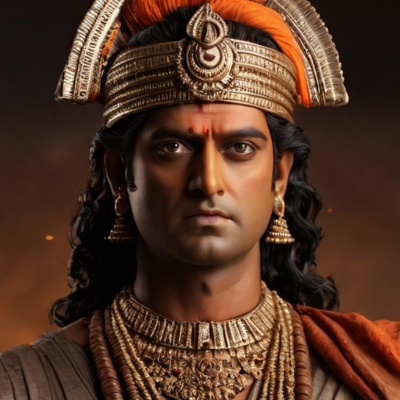
Atindriya — Eighth Son of Chitragupta and Iravati, Progenitor of the Kulshrestha Kayastha Clan
Atindriya · Jitendriya · Atindriya Chitragupta · Kulshrestha Adi-Purush
Atindriya, also known in some sources as Jitendriya, is the eighth and youngest son of Chitragupta born of his second wife Iravati and the last among all twelve sons of Chitragupta across both lineages. He is the founding ancestor of the Kulshrestha subdivision of the Chitraguptavanshi Kayastha community, a clan historically associated with the ancient Panchal state — one of the prominent kingdoms of the Vedic and epic tradition located in the upper Gangetic plain of northern India. The Kulshrestha clan is traditionally regarded as the eldest or most senior of the twelve subdivisions in certain recitations of the community genealogy. The principal sources recording his identity are the Padma Purana (Uttar Khanda), the Garuda Purana, and the Chitragupta Vamshaavali.
✦ The Name
The name Atindriya is a compound of the Sanskrit prefix ati, meaning beyond or transcending, and indriya, meaning the senses — carrying the meaning of one who is beyond the senses or who transcends sensory limitation. It is a name of high spiritual and ascetic connotation, suggesting a quality of inner mastery and self-transcendence. The alternate name Jitendriya — meaning one who has conquered the senses — is semantically very close, reinforcing this characterisation of the youngest son of Iravati as a figure of exceptional inner discipline. The community name Kulshrestha is a compound of kula, meaning family or lineage, and shrestha, meaning the best, most excellent, or foremost — identifying the descendants of Atindriya as the foremost or most distinguished of the lineage, a designation consistent with the clan's traditional claim to seniority within the twelve subdivisions.
✦ Lineage
- Father: Chitragupta — the divine scribe in the court of Yama, keeper of the karmic records of all living beings, and presiding deity of the Kayastha community.
- Mother: Iravati — second wife of Chitragupta; mother of Charu, Sucharu, Chitra, Matiman, Himvan, Chitracharu, Chitracharan, and Atindriya.
- Full brothers: Charu — progenitor of the Mathur clan; Sucharu — progenitor of the Gaur clan; Chitra — progenitor of the Bhatnagar clan; Matiman — progenitor of the Saxena clan; Himvan — progenitor of the Ambashtha clan; Chitracharu — progenitor of the Nigam clan; Chitracharan — progenitor of the Karna clan.
- Paternal half-brothers: The four sons of Nandini — Bhanu, Vibhanu, Vishvabhanu, and Viryabhanu — progenitors respectively of the Srivastava, Suryadhwaja, Valmiki, and Asthana clans.
- Wife: A Nagakanya — a daughter of Vasuki, the king of serpents, as recorded in the Padma Purana.
- Descendants: The Kulshrestha community of Chitraguptavanshi Kayasthas, historically associated with the ancient Panchal state of the upper Gangetic plain.
✦ Sacred Thread Investiture
The Padma Purana records that all twelve sons of Chitragupta, including Atindriya, were invested with the sacred thread — the yajnopavita — establishing their twice-born status and their right to study the Vedas and perform Vedic rites.
✦ Geographic and Community Association
The Kulshrestha clan founded by Atindriya is associated in the community tradition with the ancient Panchal state — the kingdom of the Panchalas, one of the major political entities of the Vedic and Mahabharata periods, located in the upper Gangetic plain in the region corresponding broadly to modern Uttar Pradesh. The Panchal kingdom is prominent in the Mahabharata as the homeland of Draupadi, daughter of King Drupada, and as one of the central territories of the epic's political geography. The Kulshrestha clan's association with this ancient kingdom situates its ancestral geographic identity within one of the most historically and literarily significant territories of the northern Indian tradition. The clan name's meaning — the foremost of the lineage — further reflects the community's traditional claim to distinction within the broader Chitraguptavanshi genealogical order.
✦ References
- Primary Sources:
- Padma Purana, Uttar Khanda: Records the birth of Chitragupta's twelve sons, their investiture with the sacred thread, and their marriages to the daughters of Vasuki.
- Garuda Purana: Records Chitragupta's genealogy and the founding of the twelve Kayastha subdivisions.
- Mahabharata: Records the Panchal kingdom as one of the principal political territories of the epic period, providing geographic context for the Kulshrestha clan's ancestral association.
- Chitragupta Vamshaavali: Identifies Atindriya as the eighth and youngest son of Iravati and progenitor of the Kulshrestha clan; records the association with the ancient Panchal state and notes the alternate name Jitendriya.
- Secondary Sources:
- Vettam Mani, Puranic Encyclopaedia (1975): Entry on Chitragupta and his sons noting the principal Puranic references.
- Wisdom Library, Chitragupta: Aggregates Puranic and community textual references to Chitragupta and the twelve sons.