
About
Shilpi — Son of Vishvakarma, Divine Sculptor
Shilpi · Shilpin · son of Vishvakarma
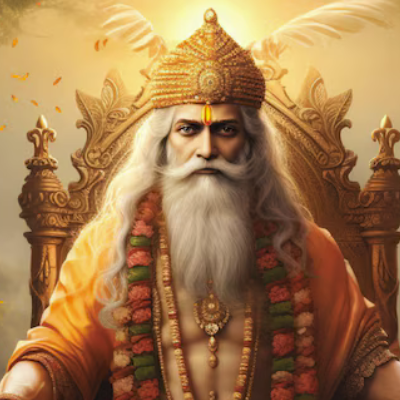
Shilpi is one of the five sons of Vishvakarma, the divine architect of the gods, and is identified in the Puranic tradition as the divine sculptor within the artisan lineage of his father. His name is itself a common Sanskrit noun denoting an artisan, craftsman, or sculptor — a figure skilled in the visual and plastic arts — and his inclusion among Vishvakarma's sons as a distinct named figure underlines the classical Indian tradition's careful categorisation of different craft specialisations within the broader domain of divine artisanship. Among the five sons, Shilpi is the one whose name most directly designates a specific craft practice: sculpture and the fashioning of images. He appears in the Matsya Purana's genealogical enumeration of Vishvakarma's progeny and is named alongside his brothers Manu, Maya, Tvashta, and Vishvajna. Beyond this genealogical attestation, Shilpi has no independent narrative in the surviving primary sources and should be understood primarily as a member of the divine artisan family rather than as an independently narrated character.
✦ The Name
The name Shilpi derives from the Sanskrit shilpa, which denotes craft, art, and especially the visual and plastic arts — sculpture, image-making, architectural ornament, and the decorative arts in general. The term shilpin (of which Shilpi is a variant form) means a craftsman or artisan, most specifically one engaged in sculpture or visual art. In the context of the classical Indian craft tradition, the Shilpa-shastra texts — the canonical treatises on sculpture, iconography, and temple architecture — take their name from the same root, and the divine figure Shilpi may be understood as the mythological embodiment of that tradition. His designation as a son of Vishvakarma places sculpture and image-making within the lineage of the supreme divine craftsman, reflecting the classical view of all art and craft as ultimately traceable to divine origin and sanction.
✦ Lineage
- Father: Vishvakarma — divine architect, craftsman of the gods, builder of celestial structures including Devaloka, Lanka, and Dvaraka, identified in some sources as son of Brahma and in others as son of Prabhas the Vasu and Yoga-siddha.
- Brothers: Manu — craftsman associated with the measuring and rational dimensions of the divine artisan tradition; Maya — master builder associated with the Asuras and creator of the hall of illusions; Tvashta — craftsman associated with the shaping and fashioning of forms; Vishvajna — the all-knowing craftsman.
✦ Significance in the Artisan Tradition
The identification of Shilpi as a distinct son of Vishvakarma reflects the systematic organisation of the divine artisan tradition in the Puranic texts. By giving each of the five sons a name that corresponds to a specific dimension of craft — mental calculation (Manu), illusory or magical construction (Maya), formal shaping (Tvashta), sculptural image-making (Shilpi), and omniscient technical knowledge (Vishvajna) — the tradition creates a genealogical structure that legitimises and divinises the full range of craft practices. Shilpi as the sculptor and image-maker carries particular significance in the context of the Shilpa-shastra tradition, wherein the proper making of divine images is understood as a sacred act governed by ancient canonical standards derived ultimately from divine models.
✦ References
- Matsya Purana, chapters 258–261: Primary source enumerating Shilpi among the five sons of Vishvakarma; the foundational genealogical attestation for this figure.
- Monier-Williams Sanskrit-English Dictionary (1899): Defines shilpa and shilpin; establishes the semantic range of Shilpi's name within the Sanskrit craft vocabulary.
- Vishnu Purana, Book III: Broader genealogical context for Vishvakarma's lineage within which Shilpi's position is situated.
- Vettam Mani, Puranic Encyclopaedia (1975): Secondary reference consolidating the attestation of Shilpi within Vishvakarma's progeny.