
About
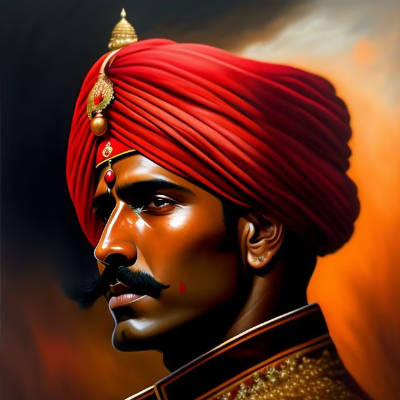
Bhoja of Vidarbha — Yaduvanshi King, Guardian of Indumati at Her Swayamvara
Bhoja · Bhoja Vidarbhadhipa · Krathakaishikesha · Bhoja of the Krathakaishika Line
Bhoja is a king of the Vidarbha kingdom belonging to the Krathakaishika branch of the Yadu lineage — a Yaduvanshi ruler of the Chandravamsha. He is the principal figure from the Vidarbha royal house in Kalidasa's Raghuvamsha, where he appears as the brother of Indumati and the organiser of her swayamvara — the self-choice assembly at which Indumati selected Aja, prince of Ayodhya and son of king Raghu, as her husband. Aja and Indumati subsequently became the parents of Dasharatha, the father of Rama. Bhoja's kingdom is identified in the Raghuvamsha as the Krathakaishika province with its capital at Kundina (Kundinapuri). He appears in Cantos 5, 6, and 7 of the Raghuvamsha as the host and guardian at the swayamvara, and receives no extended treatment in any other primary source as an independent figure. An important clarification is required regarding his relationship to Indumati: the Raghuvamsha consistently identifies him as her brother, not her father, and this distinction is documented in the Textual Record section below.
✦ The Name
The name Bhoja derives from the Sanskrit root bhuj (to enjoy, to eat, or to rule) and carries the sense of one who enjoys or who gives enjoyment — a term associated with prosperity, pleasure, and the royal dispensation of wealth. As a dynastic designation, Bhoja applies broadly to the Bhoja clan of the Yadu lineage, and its use as a personal name for this king of Vidarbha reflects the identification of the ruling house with its eponymous ancestral line. The epithet Krathakaishikesha — lord of the Kratha-Kaishika people — is applied to him in the Raghuvamsha (5.39, 7.32) and designates his territorial and dynastic identity rather than functioning as a personal name. Kratha and Kaishika were sons of Vidarbha, an ancestor in the Yadu line, and their descendants gave both their name and their lineage to the ruling house of the Vidarbha kingdom.
✦ Lineage
- Dynasty: Chandravamsha (Lunar dynasty), Yadu lineage, Krathakaishika-Vidarbha branch
- Dynastic origin: The Vidarbha kingdom and its ruling house trace descent from Yadu, eldest son of Yayati. Through the Kroshtri line of the Yadu descendants, the line passed to a king named Vidarbha, whose sons Kratha and Kaishika became the progenitors of the Krathakaishika branch that ruled the Vidarbha kingdom. Bhoja belongs to this line as a Yadava king of the Bhoja clan, whose territory formed the region still known as Vidarbha in central India
- Sister: Indumati — princess of the Vidarbha royal house; at her swayamvara she chose prince Aja of Ayodhya; she became the mother of Dasharatha and thus the maternal grandmother of Rama; the Raghuvamsha (8.82) describes her as born in the Krathakaishika lineage (krathakaishika-vamsa-sambhava); a separate tradition, preserved in the Raghuvamsha itself (8.16–17) and elaborated in the Markandeya Purana account cited in secondary sources, identifies her as the apsara Harini born in human form following a curse by the sage Trinabindu
- Parents: Not named in any primary source; the Raghuvamsha does not record Bhoja's father or mother
✦ The Swayamvara of Indumati
The Raghuvamsha (Sarga 5, verse 39) records that Bhoja, the lord of the Krathakaishika province, sent a devoted messenger to king Raghu of Ayodhya, expressing his eagerness to bring prince Aja to the swayamvara of his sister Indumati. Raghu, recognising the alliance as praiseworthy and Aja as now of marriageable age, dispatched the prince to the prosperous capital of the Vidarbha king with a military escort. The assembly at Kundina brought together suitor-princes from many regions of the subcontinent, whose qualities and kingdoms are catalogued in detail across Sarga 6 of the Raghuvamsha. Indumati, guided by her companion Sunanda, passed by each prince in succession before placing the garland around Aja's neck.
In the aftermath of the choice, Bhoja's role is described in Sarga 7. After completing the wedding rites, he presented generous bridal gifts to his sister and sent the couple on their way to Ayodhya, accompanying them part of the journey. The Raghuvamsha (7.32) records him taking his sister, now united with a worthy husband and resembling the goddess Devasena united with Skanda, and directing her toward the entrance of his city before the couple departed. His conduct throughout is portrayed as generous and dignified — the fulfillment of a brother's duty in securing an honourable marriage for his sister.
✦ The Vidarbha Kingdom and Yadava Identity
The Vidarbha kingdom ruled by Bhoja is situated in the region of the same name in central India, identified in the Puranic geographical tradition as among the southernmost territories known to the kings of the Gangetic plain. The ruling house of Vidarbha belonged to the Bhoja clan of the Yadavas — the same broad Yadu lineage that produced Krishna and the Vrishni-Yadava confederacy, though representing a distinct and geographically separate branch. The Krathakaishika designation connects the kingdom to Kratha and Kaishika, sons of the eponymous king Vidarbha, an ancestor in the Yadu descent. In the Mahabharata tradition, Vidarbha is most prominently associated with Bhishmaka, father of Rukmini and Rukmi, and with the city of Kundinapuri — the same capital that Kalidasa assigns to Bhoja. Whether Bhoja is to be placed in the same royal line as Bhishmaka or represents a different generation or branch of the same house cannot be determined from the available primary sources; the Raghuvamsha does not connect its Bhoja to Bhishmaka, and the Bhagavata Purana's account of Vidarbha and its ruling family concerns a different period.
✦ Textual Record: Bhoja as Brother, Not Father, of Indumati
A widespread secondary tradition describes Indumati as the daughter of Bhoja, and this characterisation appears in several popular retellings, encyclopaedia entries, and blog summaries. The primary text of the Raghuvamsha, however, is unambiguous on this point. At Sarga 5, verse 39, Kalidasa uses the Sanskrit word svasus, meaning sister, in the compound svasor indumatyah — of his sister Indumati — to describe Bhoja's relationship to Indumati in the context of arranging the swayamvara. At Sarga 7, verse 32, the same identification is repeated: Bhoja takes his sister (svasaram adadaya) after the wedding is completed. At Sarga 8, verse 82, a divine being confirms to the grieving Aja that Indumati was born in the Krathakaishika lineage (krathakaishika-vamsa-sambhava) — that is, she belonged to the same royal line as Bhoja, as a member of his family, consistent with the sibling identification. The description of Bhoja as Indumati's father in secondary sources appears to be a conflation arising from his role as the guardian who organised her swayamvara — a role typically but not exclusively associated with a father in the epic and classical tradition, and which in this case was performed by her brother.
✦ Connection to the Wider Genealogy
Bhoja's significance in the broader genealogical tradition is indirect but consequential. Through his sister Indumati's marriage to Aja, the Krathakaishika-Vidarbha branch of the Yadu lineage became connected to the Ikshvaku Solar dynasty of Ayodhya. Indumati's son Dasharatha became the king of Kosala, and Dasharatha's son Rama is the subject of the Valmiki Ramayana. Bhoja is thus the maternal grand-uncle, through the sibling line, of Dasharatha — and by extension a collateral ancestor in the family network of the Ramayana tradition. The marriage alliance between the Vidarbha Yadavas and the Ikshvaku Solar line is one of the celebrated dynastic unions of the Puranic and classical literary tradition, preserved most fully in Kalidasa's Raghuvamsha.
✦ References
- Primary Sources:
- Kalidasa, Raghuvamsha, Sarga 5, verse 39: Names Bhoja as the lord of the Krathakaishika province of Vidarbha, identifies Indumati as his sister (svasus), and records his dispatch of a messenger to king Raghu proposing Aja as a groom for his sister's swayamvara
- Kalidasa, Raghuvamsha, Sarga 6: Describes the assembly of suitor-princes at Bhoja's swayamvara hall; Bhoja is the host of the event at Kundina, the Vidarbha capital
- Kalidasa, Raghuvamsha, Sarga 7, verse 32: Records Bhoja as the lord of the Krathakaishikas completing the wedding and taking his sister Indumati to send her off with Aja; the verse explicitly uses the word svasaram (his sister) for Indumati
- Kalidasa, Raghuvamsha, Sarga 8, verse 82: Confirms Indumati as krathakaishika-vamsa-sambhava — born in the Krathakaishika lineage
- Secondary Sources:
- Sanskritdocuments.org, Giirvaani commentary on Raghuvamsha Sarga 5, verse 39: Translates and annotates the verse identifying Bhoja as the lord of the Kratha-Kaishika province and Indumati as his sister; notes that Kratha and Kaishika were sons of Vidarbha who gave their name to the province
- Sanskritdocuments.org, Giirvaani commentary on Raghuvamsha Sarga 7, verse 32: Confirms the sibling relationship and translates Bhoja's role in the post-wedding send-off
- Indica Today, article on Apsara Harini (Indumati): Reproduces the Raghuvamsha verse 8.82 in Sanskrit and translation confirming Indumati's Krathakaishika lineage
- Vettam Mani, Puranic Encyclopaedia: General reference for the Bhoja clan of the Yadavas and the Vidarbha kingdom's place in the Yadu genealogical tradition