
About
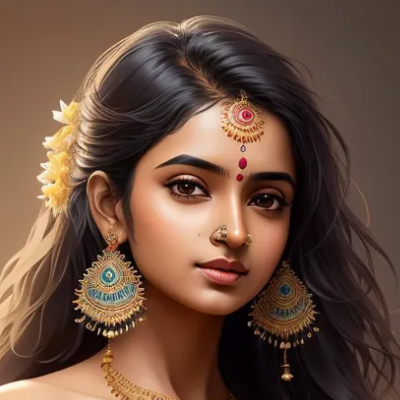
Shambhu — Wife of Dhruva Maharaja and Mother of Shlishti
Shambhu · Dhruva-patni · Shlishti-mata
Shambhu was a wife of Dhruva Maharaja — the celebrated royal devotee of Vishnu who through the intensity of his childhood austerities was elevated by divine grace to the position of Dhruva-loka, the pole star, the fixed celestial point around which the entire stellar sphere revolves — and the mother of Shlishti, through whom the genealogical line descends to figures of considerable Puranic significance. She is one of three wives of Dhruva recorded in the Bhagavata Purana's fourth canto, the others being Ila — the daughter of Vayu, identified at Canto 4, Chapter 10, Verse 2 — and Bhrami — the daughter of Shishumara, identified at Canto 4, Chapter 13, Verse 13. Through her son Shlishti the line continues through Ripu, Chakshusa, and Chakshusha Manu — the sixth of the fourteen Manus who preside over the successive cosmic time cycles in the Puranic framework — giving Shambhu's maternal line a genealogical significance of the highest order within the Puranic temporal cosmology. Her parentage has not been confirmed by a specific primary source citation in this series at the time of this profile's composition and is accordingly omitted from the lineage section rather than stated as fact; if a source is later identified it will be incorporated. This profile is proportionate to the confirmed textual evidence.
✦ The Name
The name Shambhu is one of the most widely used auspicious names in the Sanskrit tradition, derived from the root sham meaning welfare, happiness, peace, and the cessation of suffering, combined with the causative or possessive suffix giving the sense of "one who causes or embodies welfare" or "the auspicious one." The name is most famously associated in the Hindu tradition with Shiva — Shambhu is one of Shiva's principal epithets, used extensively in the Shaiva tradition and in Vedic hymns such as the Shri Rudram where it appears in the invocation of the deity's benevolent aspect. Its use as a personal name for a mortal or semi-divine woman in the Puranic genealogical tradition follows the common Sanskrit practice of drawing personal names from the pool of divine epithets and auspicious terms, without implying identity with the deity who bears the epithet as a primary title. As the name of Dhruva's wife, Shambhu carries the connotation of auspiciousness and welfare-bestowing grace — qualities appropriate to the consort of the pole star devotee — without theological identification with Shiva's consort Parvati, who bears Shambhu as a courtesy epithet through her husband's name.
✦ Lineage
- Parentage: Not confirmed by a specific primary source citation in this series at the time of this profile's composition. A tradition identifying Shambhu as a daughter of Shishumara — the presiding deity of the stellar sphere and the father of Bhrami, Dhruva's other wife from the same family — exists within the broader genealogical tradition, but the specific verse confirming this parentage has not been registered and the identification is therefore omitted from this profile's lineage section pending confirmation.
- Husband: Dhruva Maharaja, the son of King Uttanapada and his queen Suniti, and grandson of Svayambhuva Manu the first Manu and progenitor of the human race in the current cosmic cycle. Dhruva performed fierce austerities in the forest of Madhuvana at the age of five and was elevated by Vishnu's grace to the position of the pole star — Dhruva-loka — the fixed celestial point around which the entire stellar sphere revolves. He had three wives: Ila the daughter of Vayu, Bhrami the daughter of Shishumara, and Shambhu.
- Son: Shlishti, born of Shambhu and Dhruva, through whom the genealogical line continues in the Bhagavata Purana's fourth canto sequence. Shlishti is the father of Ripu, who is the father of Chakshusa, who is the father of Chakshusha Manu — the sixth of the fourteen Manus who preside over successive cosmic time cycles in the Puranic temporal framework.
✦ Shambhu's Line — Descent to Chakshusha Manu
The most significant dimension of Shambhu's narrative in the Puranic tradition is the genealogical sequence that descends from her son Shlishti. The Bhagavata Purana's fourth canto records this sequence with the care appropriate to a line of such cosmic importance: Shlishti begot Ripu, Ripu begot Chakshusa, and Chakshusa begot Chakshusha Manu — the sixth Manu of the present cosmic cycle. The Manus in the Puranic tradition are the progenitors and presiding sovereigns of the successive periods of cosmic time called Manvantaras, each of enormous duration. Chakshusha Manu as the sixth Manu governed the sixth Manvantara — the sixth great cosmic period — and his descendants populated that era of the world. To be the ancestral source of a Manu through one's son is one of the most genealogically significant positions a figure can occupy in the Puranic tradition, and Shambhu's maternity of Shlishti places her at the beginning of this line of cosmic temporal sovereignty.
✦ Shambhu Among Dhruva's Wives
The three wives of Dhruva — Ila, Bhrami, and Shambhu — together produce the genealogical branches through which Dhruva's line extends in the Bhagavata Purana's fourth canto. Ila, the daughter of Vayu, bore Utkala — a figure of renunciant disposition who did not assume the kingship — and an unnamed daughter. Bhrami, the daughter of Shishumara, bore Kalpa and Vatsara — names encoding cosmic temporal significance. Shambhu bore Shlishti, through whom the line reached its most cosmologically significant destination in Chakshusha Manu. The three wives thus represent three distinct genealogical trajectories from the same royal father: the renunciant line through Ila's Utkala, the temporally named line through Bhrami's Kalpa and Vatsara, and the Manu-producing line through Shambhu's Shlishti. Shambhu's branch, measured by its ultimate genealogical destination, is the most cosmologically consequential of the three, producing as it does a presiding deity of cosmic time itself.
✦ Connection to the Wider Genealogy
Through her husband Dhruva, Shambhu is connected to the line of Svayambhuva Manu — the first Manu — through Uttanapada and the early royal genealogy of the Bhagavata Purana's fourth canto. Through her son Shlishti and the subsequent generations she is the maternal ancestor of Chakshusha Manu, connecting her to the Puranic framework of cosmic time cycles that structures the tradition's understanding of the world's history. If the tradition identifying her parentage as a daughter of Shishumara is eventually confirmed by primary source citation, she would also be connected through that parentage to the Vasu genealogical order through Dosha and Sharvari, and through Shishumara's identity as a Vishnu amsha to the theological lineage of Vishnu — making her, like her possible sister Bhrami, a figure whose lineage bridges the divine cosmic order and the royal human genealogies of the Puranic tradition at multiple points simultaneously.
✦ References
Primary Sources
- Bhagavata Purana, Canto 4: The principal primary source for Shambhu's identity as a wife of Dhruva and the mother of Shlishti, and for the genealogical sequence descending through Shlishti, Ripu, Chakshusa, and Chakshusha Manu that constitutes the most significant dimension of Shambhu's genealogical legacy.
- Bhagavata Purana, Canto 4, Chapters 8 and 9: The account of Dhruva's childhood austerities and Vishnu's grace, providing the devotional and biographical context for understanding Dhruva as Shambhu's husband and the nature of the royal household into which she married.
- Bhagavata Purana, Canto 6, Chapter 6, Verse 14: Establishes Shishumara as the son of Dosha and Sharvari and as a Vishnu amsha, relevant to the tradition — noted but unconfirmed by specific verse in this series — that identifies Shambhu as a daughter of Shishumara.
Modern Reference Works
- Vettam Mani, Puranic Encyclopaedia (1975): Provides consolidated entries on Dhruva and his wives and offspring and on the genealogical sequence descending to Chakshusha Manu, useful for situating Shambhu within the broader genealogical tradition of Dhruva's family and the Manu lineage.
- Wisdomlib (wisdomlib.org), entries on Shambhu, Shlishti, and Chakshusha Manu: Aggregates Sanskrit textual references to these figures across Puranic sources, useful for cross-referencing the fourth canto genealogical sequence against parallel material in other texts.