
About
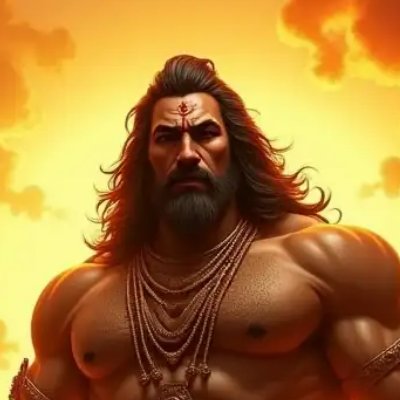
Ahuka — Son of Punarvasu, Tenth Generation of the Kukura Clan
Ahuka · Ahuka of the Kukura line · Ahuka of Mathura
Ahuka is recorded in the Puranic genealogies of the Yadava lineage as the son of Punarvasu — himself the son of Avidyota and a descendant of Kukura, the founding ancestor of the Kukura branch of the Yadava confederation — and thus represents the tenth generation of the Kukura sub-clan within the genealogical tree of the Yadu dynasty. The Yadu dynasty belongs to the lunar line (Chandravamsha) of Indian epic and Puranic tradition, descending through Chandra, Budha, Pururavas, Ayus, Nahusha, Yayati, and Yadu, from whom all Yadava clans derive their collective identity. Ahuka is among the most prominent figures in the Kukura genealogical chain, standing as the ancestor from whom both the Mathura royal line and the lineage leading to the birth of Krishna directly descend. He is the father of two sons — Ugrasena and Devaka — whose offspring include Kamsa, the adversary of Krishna, and Devaki, the mother of Krishna. Ahuka appears in the Bhagavata Purana, the Vishnu Purana, the Harivamsa, the Matsya Purana, and the Mahabharata, making him one of the better-attested figures in the Kukura genealogical tradition.
✦ The Name
The name Ahuka does not receive an explicit etymological discussion in the primary Puranic sources. It appears to function as a personal dynastic name without elaborated symbolic significance in the genealogical passages in which it occurs. The paired naming of Ahuka and his sister Ahuki — both names sharing the same root form — suggests a traditional pattern of sibling naming within the family, a practice attested elsewhere in Puranic dynastic nomenclature. No primary source offers a derivation or meaning for the name beyond its use as an identifier.
✦ Lineage
- Father: Punarvasu — ninth generation of the Kukura clan, son of Avidyota, and the last intermediate figure in the Kukura genealogical chain before the lineage reaches the narratively prominent Mathura royal house. Punarvasu is notable as the generation in which both a son and a daughter are explicitly named in the Bhagavata Purana.
- Sister: Ahuki — daughter of Punarvasu, named alongside Ahuka in the Bhagavata Purana. According to the Matsya Purana, Ahuki was given in marriage to the king of Avanti, establishing a matrimonial alliance between the Kukura line and the Avanti kingdom.
- Wife: A princess of Kashi — named in the Vishnu Purana and the Bhagavata Purana as the mother of Ahuka's sons Devaka and Ugrasena, establishing a matrimonial connection between the Kukura-Yadava line and the Kashi royal house.
- Son (elder): Devaka — the elder son of Ahuka, who fathered four sons and seven daughters. The youngest of Devaka's daughters was Devaki, who became the wife of Vasudeva and the mother of Krishna. Devaka and his children are enumerated in the Bhagavata Purana at chapter 24, verses 22 and 23.
- Son (younger): Ugrasena — the younger son of Ahuka, who became the king of Mathura. Ugrasena fathered nine sons, the eldest of whom was Kamsa, the adversary of Krishna whose actions and eventual death at Krishna's hands form the central early narrative of the Bhagavata Purana's tenth skanda. Ugrasena and his children are enumerated in the Bhagavata Purana at chapter 24, verses 24 and 25.
✦ Ahuka as the Junction Point of Two Crucial Lines
Ahuka's significance in the Puranic tradition lies above all in his position as the common ancestor of two figures whose relationship drives the central narrative of the Bhagavata Purana's tenth skanda. Through his son Devaka and Devaka's youngest daughter Devaki, Ahuka is the maternal grandfather of Krishna. Through his son Ugrasena and Ugrasena's eldest son Kamsa, Ahuka is the paternal grandfather of Krishna's principal adversary. Both lines thus originate from a single figure, making Ahuka the genealogical meeting point of the two opposing forces of the Krishna narrative — the divine birth and the tyrannical opposition to it — within a single family descended from the Kukura sub-clan of the Yadavas.
✦ The Children of Devaka
The Bhagavata Purana records that Devaka, Ahuka's elder son, fathered four sons and seven daughters. The seven daughters included Devaki, the youngest, who was given in marriage to Vasudeva of the Vrishni branch of the Yadavas and who became the mother of Krishna. The Bhagavata Purana names all seven daughters in its enumeration at chapter 24, verses 22 and 23. Devaka's line is thus the maternal branch that produces Krishna's birth within the Yadava genealogical framework.
✦ The Children of Ugrasena
The Bhagavata Purana records that Ugrasena, Ahuka's younger son and king of Mathura, fathered nine sons. The eldest of these was Kamsa, who became the tyrannical ruler of Mathura after deposing his own father Ugrasena and who is the principal antagonist of the Krishna narrative in the Bhagavata Purana, the Harivamsa, and the Vishnu Purana. The remaining eight sons of Ugrasena are also named in the Bhagavata Purana's enumeration at chapter 24, verses 24 and 25.
✦ The Harivamsa Account of Ahuka's Wealth and Military Stature
The Harivamsa, in its genealogical and narrative sections, describes Ahuka as a figure of exceptional wealth and martial reputation. The text records that Ahuka never travelled without a guard of ten thousand chariots, all adorned with gold and banners. This description places Ahuka among the great military figures of the Yadava tradition in the Harivamsa's account, distinguishing him from the purely genealogical figures of the preceding Kukura generations who receive no such elaboration. This detail is specific to the Harivamsa and is not reproduced in the Bhagavata Purana's treatment of Ahuka, which focuses on his genealogical role rather than his military character.
✦ Ahuka in the Mahabharata
Ahuka is referenced in the Mahabharata, where he appears in connection with the broader Yadava political world. The Adi Parva of the Mahabharata contains references to Ahuka in the context of the Yadava confederation and its various clan groupings. The Mahabharata also preserves a well-known episode in which Ahuka and the sage Narada are connected in a narrative that touches on familial conflict and the tensions within the Yadava royal house, though the details of this episode belong more properly to the treatment of Ahuka's descendants than to Ahuka himself. His association in some passages with the Bhoja designation reflects the complex overlapping clan identities within the Yadava confederation, where a single ruler might be identified with more than one clan grouping through lineage, alliance, or territory.
✦ Textual Variants and Inconsistencies
The Bhagavata Purana and the Vishnu Purana give Ahuka as the direct son of Punarvasu. The Harivamsa, as noted in the preceding profile of Punarvasu, inserts an additional figure named Abhijit between Punarvasu and Ahuka, making Ahuka the son of Abhijit rather than of Punarvasu directly in that text's account. This structural divergence between the major sources is a genuine textual variant. The Bhagavata Purana's direct Punarvasu — Ahuka connection is the more widely followed version in the mainstream commentarial tradition and is the version adopted in this profile, but the Harivamsa's account cannot be dismissed as a scribal error and represents an alternative of equal textual standing.
✦ Connection to the Wider Genealogy
Ahuka stands at the culminating point of the long Kukura genealogical chain stretching from Kukura through nine intermediate generations. Beyond him the lineage enters the richly narrated world of the Mathura royal house, the Yadava confederation's conflicts and alliances, and ultimately the birth of Krishna. The Kukura clan of which Ahuka was a member was one of the recognised sub-groups of the larger Yadava confederation alongside the Vrishnis, Andhakas, Bhojas, and Dasharhas, all sharing common descent from Yadu and the lunar dynasty. Through Ahuka's two sons, the Kukura genealogical line branches into the two families — the house of Devaka and the house of Ugrasena — whose members are among the most prominent figures in the Krishna narrative across the Puranic and epic tradition.
✦ References
- Bhagavata Purana, Ninth Skanda, Chapter 24, verses 21–25: The primary source naming Ahuka as the son of Punarvasu, recording his two sons Devaka and Ugrasena and their respective children including Devaki and Kamsa, and providing the fullest genealogical enumeration of Ahuka's immediate family.
- Vishnu Purana, Book Four, Chapter 14, verse 5: A supporting source confirming Ahuka as the son of Punarvasu and the father of Devaka and Ugrasena, consistent with the Bhagavata Purana's account.
- Harivamsa, Harivamsha Parva, chapters 37–40 and chapter 38, verses 15–20: The source inserting Abhijit between Punarvasu and Ahuka as a structural variant, and also the source describing Ahuka's military stature and his escort of ten thousand gold-adorned chariots.
- Matsya Purana, Chapter 44, verse 71: The source recording that Ahuka's sister Ahuki was given in marriage to the king of Avanti, establishing the matrimonial alliance between the Kukura line and Avanti.
- Mahabharata, Adi Parva: Contains references to Ahuka in the context of the Yadava confederation and the broader political world of the late Dvapara Yuga, including his association with Bhoja clan designations within the Yadava political framework.
- Puranic Encyclopaedia by Vettam Mani (1975): A modern reference work summarising Puranic genealogical lists and entries on Ahuka, Devaka, Ugrasena, and their descendants, relevant for cross-checking names, generational positions, and the textual variants affecting this node.